You return to something that once made you happy. You open the book, pick up the instrument, meet the friends, start the game, or prepare the materials for an old hobby.
But the feeling does not arrive.
You remember loving this. You remember losing track of time. Now it feels flat, demanding, or strangely distant. You may wonder whether you have become boring, ungrateful, or disconnected from yourself.
Losing interest does not always mean something is permanently wrong. Pleasure changes when your energy, identity, environment, and needs change. Sometimes the activity is still right for you, but you are too tired to reach it. Sometimes you have simply grown beyond the version of it you knew.
You Are Too Tired to Feel Curious
Enjoyment requires more energy than people realize. Curiosity, attention, play, and creativity need space in your nervous system.
When work, caregiving, stress, poor sleep, or constant decision-making consume that space, even things you love can feel like additional tasks. You may still want the experience in theory, but your body wants the easiest possible form of rest.
Do not immediately conclude that the interest is gone. Ask what happens after real rest. Not one evening of scrolling, but several days of better sleep, fewer demands, food, movement, and quiet.
Sometimes joy has not disappeared. It is waiting behind exhaustion.
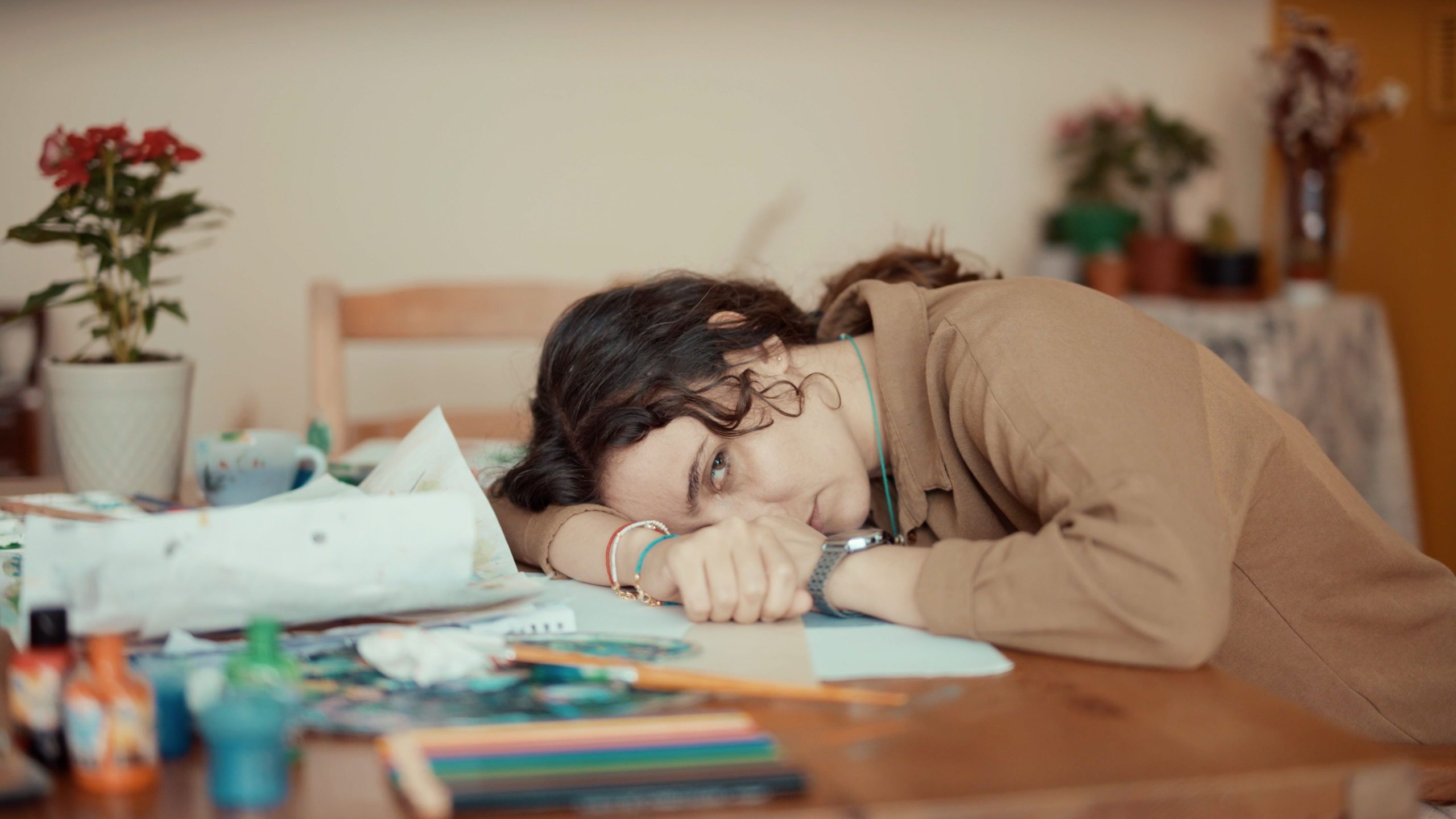
You Turned the Hobby Into Another Performance
An activity can stop being enjoyable when it becomes something you must do well. You start measuring progress, comparing results, buying better equipment, tracking hours, or thinking about how the hobby appears online.
What once felt playful begins to feel like work. A painting must be good enough to share. Exercise must change your body. Reading must improve you. Photography must attract attention.
Remove the audience for a while. Make something you will not post. Read a book with no educational value. Walk without tracking the distance. Let yourself be average.
Pleasure often returns when the activity is allowed to be useless again.
Your Attention Has Adapted to Faster Stimulation
Many older pleasures develop slowly. A novel takes time to become absorbing. Cooking requires preparation. Music, crafts, and conversations ask you to stay with one experience.
Your phone offers novelty every few seconds. When your attention becomes used to that speed, slower activities can initially feel empty. You mistake the absence of instant stimulation for the absence of interest.
Give the activity twenty uninterrupted minutes before deciding how you feel. Put the phone in another room. Allow the restless beginning to pass.
You may discover that concentration, not passion, was missing.
The Activity Is Connected to an Older Version of You
Some interests belong to a particular stage of life. The music, places, people, and routines you loved may have supported needs you no longer have.
You may keep returning because the activity represents youth, freedom, belonging, or a relationship that ended. You are trying to recover a time as much as an interest.
There is nothing wrong with changing. You do not owe lifelong loyalty to every preference you once had. Gratitude for an old passion does not require you to continue it forever.
Ask whether you want the activity now or only want to feel like the person who once enjoyed it.
You Are Repeating the Same Version
Interest can fade because an activity no longer offers discovery. You cook the same meals, visit the same places, play the same songs, or follow the same routine.
Instead of abandoning it completely, change the form. If you loved reading, try a different genre or an audiobook. If you loved exercise, leave the gym and walk outdoors. If you loved art, use unfamiliar materials. If socializing feels repetitive, meet a friend somewhere new.
Sometimes you do not need a new passion. You need a new doorway into the old one.
You Have Started Using Pleasure as a Reward
Many adults tell themselves they can enjoy something after the work is finished. But the work never fully ends.
The hobby is pushed to the last exhausted hour of the day. When you cannot enjoy it then, you assume the hobby has lost its power.
Try giving something meaningful a better part of your energy. Protect thirty minutes before you are completely depleted. Put it on the calendar like an appointment instead of treating it as leftover time.
What you love should not always receive the part of you that remains after everyone else is finished.
You Miss Sharing It With Someone
Sometimes the activity was enjoyable because of the connection around it. You watched films with a partner, played a sport with friends, cooked with family, or attended events with someone who is no longer present.
Doing it alone can expose the loss. The activity feels different because the relationship was part of the pleasure.
Name what you miss. You may need to grieve before rebuilding the experience. You may also need a new community, class, club, or friend who shares the interest.
Do not expect a solitary version to feel identical to a shared one.
Your Life Needs Something Different Now
An old hobby may have provided excitement when your life felt predictable. Now you may need calm. It may have provided solitude when you were surrounded by people. Now you may need connection.
The activity did not fail. Your need changed.
Ask what quality you are currently missing: movement, creativity, rest, challenge, beauty, nature, play, or belonging. Then look for activities that offer that quality.
This approach is more useful than forcing yourself to love something because it used to define you.

Stop Testing Whether You Still Love It
Repeatedly checking your feelings can make enjoyment impossible. You begin an activity and immediately ask, “Is this working? Am I happy yet? Do I still love this?”
That pressure turns pleasure into an examination.
Approach the activity with curiosity instead of a verdict. Notice one color, sound, movement, idea, or sensation. Stay for a short time. Leave before resentment begins.
Interest often returns gradually through contact, not through force.
Give Yourself Permission to Be a Beginner Again
You may avoid an old passion because your current ability does not match your memory. You remember being confident, fit, creative, or skilled. Returning after a break makes you feel clumsy.
Do not compare today’s first attempt with your best moment from years ago. Begin where you are. Use easier materials, shorter sessions, and smaller expectations.
The goal is not to prove that the old version of you still exists. It is to let the present version discover what feels good now.
When the Loss of Interest Feels Bigger
If nothing feels enjoyable for weeks, and the change comes with persistent sadness, hopelessness, major changes in sleep or appetite, or difficulty handling daily life, consider speaking with a qualified health professional. A broad loss of pleasure can sometimes be connected to depression, burnout, or another health issue.
You do not need to diagnose yourself, and you do not need to wait until life becomes unbearable before asking for support.
But if some interests have faded while curiosity still appears elsewhere, change may be the more honest explanation. You are allowed to release old preferences and explore new ones.
Follow the Smallest Spark
You do not need to find one perfect passion that restores your entire life. Notice what creates even a little interest.
Read one page. Try one recipe. Visit one new place. Spend ten minutes with a material you have never used. Accept an invitation that feels different from your routine.
Small sparks are easy to dismiss because they are not dramatic. But curiosity usually returns quietly.
Your old interests helped shape you. They do not have to remain unchanged to have mattered. Some may return after rest. Some may need a new form. Others may make space for something you have not discovered yet.
What would you try if you stopped demanding that it become your next great passion and allowed it to be simply interesting for today?