You walk through the door after a long day. The floor is clear. The dishes are put away. Nothing looks obviously chaotic.
And yet, you cannot relax.
Your shoulders stay tense. You move from room to room without settling anywhere. You sit down, pick up your phone, and feel as if the space around you is quietly asking for something.
A home can be clean and still feel stressful. Tidiness is only one part of comfort. Your senses, habits, memories, unfinished responsibilities, and the way you use each room all shape whether your home feels restorative or demanding.
There Is More Visual Noise Than You Realize
A room does not need to be messy to feel busy. Open shelves, bold patterns, visible cords, crowded walls, stacks of neatly arranged objects, and too many small decorations can create constant visual information.
Your brain keeps noticing edges, colors, labels, and objects, even when you are not consciously thinking about them. Nothing is technically out of place, but your attention never gets a quiet surface on which to rest.
Try looking at the room through a photograph. Which areas immediately pull your eyes in several directions? You may not need to throw things away. Put some objects behind closed doors, leave one surface mostly empty, or group several small items together instead of spreading them across the room.
Calm often comes from reducing what your eyes must process, not from making everything perfectly organized.
Your Home Has No Clear Place for Rest
Many homes are designed around practical tasks. There is a place to work, eat, store things, watch television, charge devices, and complete chores. But there may be no place that clearly tells your body, “Nothing is required of you here.”
Your sofa may also be your office. Your bed may be where you answer messages. The dining table may hold paperwork. When every area has several jobs, your mind has trouble changing modes.
Create one small rest zone. It does not need to be an entire room. It can be one chair beside a window, one end of the sofa, or a corner with a lamp and a blanket. Keep work materials and household paperwork away from it.
Use that spot for reading, tea, music, or simply sitting. Repetition will teach your nervous system what the space means.
The Lighting Keeps Your Body Alert
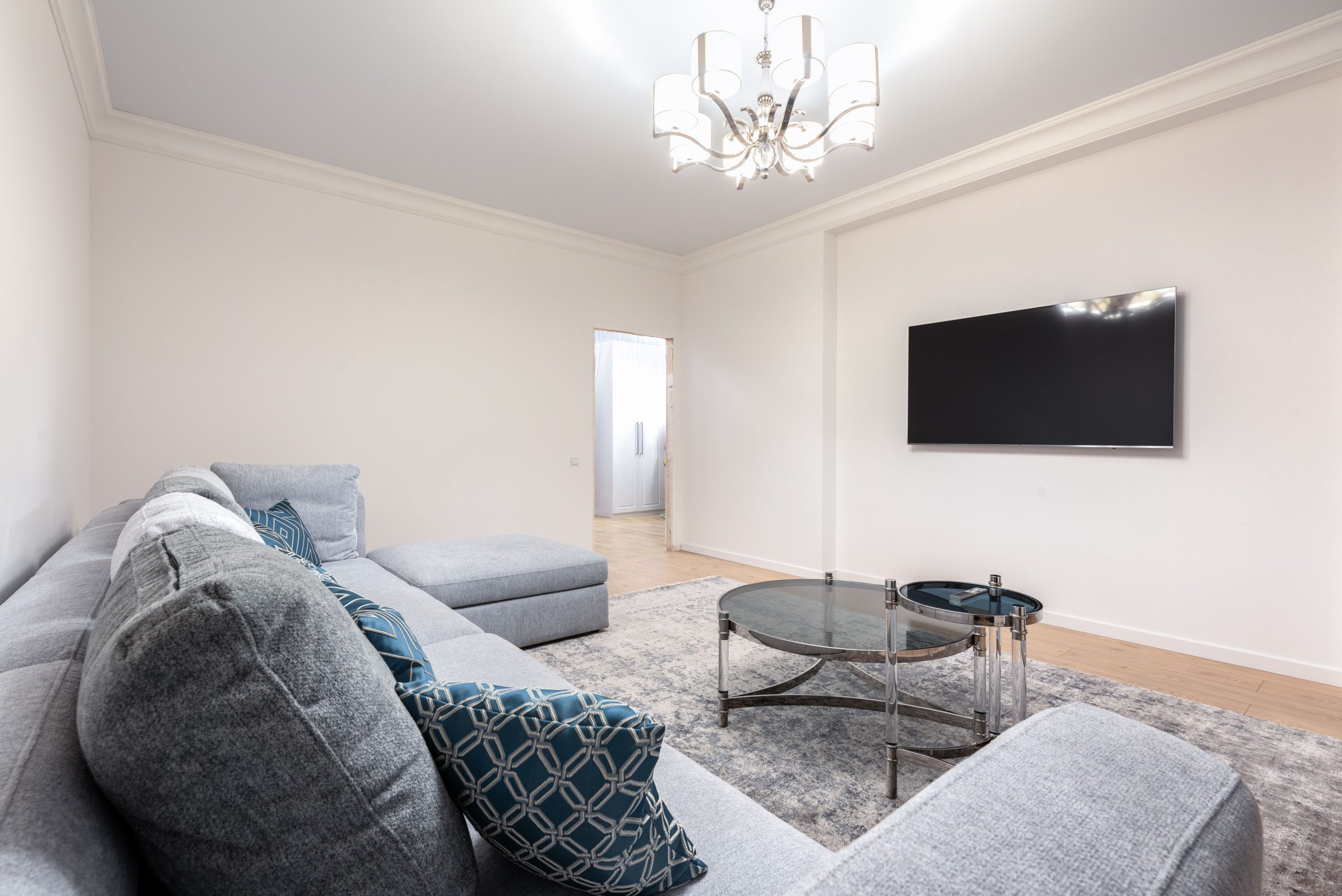
Lighting changes the emotional feeling of a room more than many people realize. A home lit only by bright ceiling lights can feel like an office, shop, or waiting room.
Cold light is useful when you need to see clearly, but it can make an evening feel exposed and active. Dark corners beside one harsh light can also create visual strain.
Use several softer light sources instead of depending on one overhead fixture. A floor lamp, table lamp, or warm bulb can make the room feel more settled after sunset. During the day, open curtains and let natural light move through the space.
You do not need expensive lighting. You need light that matches the activity and time of day.
Work Is Still Present After Work Ends
Remote and flexible work have made many homes more convenient, but they have also made it difficult to leave work psychologically.
A laptop on the table, notifications on your phone, papers beside the sofa, or a work chair visible from bed can keep reminding you of unfinished tasks. Even when you are not working, part of your attention remains available to work.
If you cannot have a separate office, create a closing ritual. Shut the laptop, place it in a drawer or bag, clear the table, and turn off the work light. Change your clothes or take a short walk before beginning the evening.
The physical action helps your mind understand that one part of the day has ended.
Every Object Represents a Decision
Some possessions create stress because they carry unfinished decisions. The book you feel guilty for not reading. The clothes you plan to repair. The equipment for a hobby you abandoned. The gift you do not like but feel unable to remove.
These objects may be neatly stored, yet they still represent obligations. Each one quietly says, “You should do something with me.”
Walk through your home and notice which items create guilt instead of usefulness or affection. Give yourself permission to make a final decision. Donate the book. Repair the clothing this week or let it go. Store seasonal projects out of sight.
A home becomes lighter when it stops functioning as a museum of postponed intentions.
The Space Does Not Reflect Your Current Life
Your home may be organized for a person you used to be. The furniture supports old routines. The walls hold reminders of a past relationship. Storage is dedicated to interests you no longer have.
When the environment does not match your present life, it can create a subtle feeling of disconnection. You live there, but the space does not quite recognize you.
Ask what your life needs now. Maybe you need a table for creative work, more space to stretch, a comfortable place to talk with friends, or easier access to the things you use every day.
You do not need to redesign the entire home. Move one piece of furniture. Replace one photograph. Display something connected to your current interests. Let the space change as you change.
There Is Too Much Sound in the Background
Stress at home is not always visual. Traffic, appliances, televisions, building noise, constant videos, and phone alerts can prevent your body from settling.
People often add more sound to cover the sound they dislike. The result is a permanent layer of noise.
Experiment with quieter periods. Turn off notifications that are not urgent. Close a door while an appliance runs. Use a rug, curtain, or soft furniture to reduce echo. If outside noise cannot be controlled, gentle music or steady natural sounds may feel less demanding than television.
Silence may feel unfamiliar at first. Give yourself time to notice whether it creates relief.
Your Phone Has Become the Center of the Room
A peaceful room cannot do much for you if your attention is constantly pulled into conflict, news, work, shopping, and other people’s lives.
You may blame the home for feeling restless when the restlessness is entering through a screen. Every chair becomes a place to scroll. Every quiet moment becomes a reason to check.
Choose one location where your phone rests instead of carrying it from room to room. Charge it outside the bedroom if possible. Create a short period each evening when the device is not within reach.
The goal is not to reject technology. It is to allow your physical environment to become real again.
The Room Looks Good but Does Not Feel Comfortable
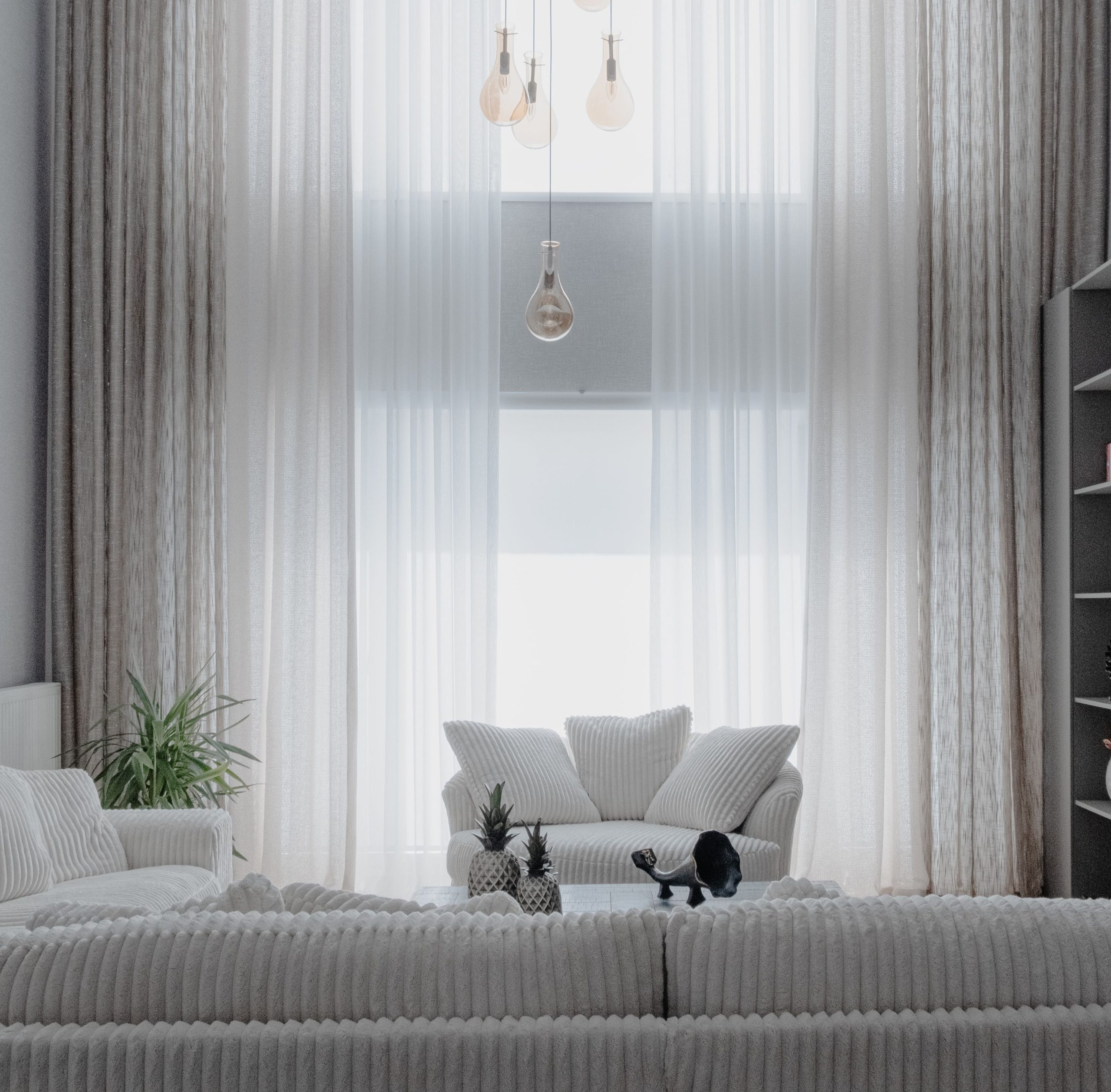
A home can look beautiful in photographs and still be unpleasant to use. The chair is stylish but hard. The rug is attractive but difficult to clean. The sofa faces the television but makes conversation awkward.
When appearance becomes more important than comfort, you begin serving the space instead of letting the space serve you.
Notice what your body experiences. Is there a place to support your back? Can you reach a light without getting up? Are commonly used items easy to find? Does the room invite you to sit, cook, talk, or rest?
Comfort is not laziness or bad design. It is the basic function of a home.
You Associate Home With Responsibility
For some people, home is where the second shift begins. The moment they arrive, they see laundry, meals, maintenance, family needs, and tasks nobody else notices.
Even a clean room can feel stressful when you are the person responsible for keeping it that way.
Make household work visible and shared when possible. Use simple routines instead of waiting for everything to become urgent. Lower standards that require constant effort but add little value.
Most importantly, allow yourself to use the home before every task is finished. Sit down while one thing remains undone. Eat the meal before cleaning the kitchen. A home should support the people living in it, not demand endless performance from them.
Your Senses Need More Than Cleanliness
Comfort involves temperature, texture, scent, air, and sound. A room may be spotless but too warm, stale, dry, bright, or uncomfortable against your skin.
Open a window for a few minutes. Wash the blanket that no longer smells fresh. Add a soft texture, a plant, or a natural material. Adjust the temperature before assuming you are simply unable to relax.
Small sensory changes can have a surprisingly strong effect because your body responds before your mind explains why.
Make Calm Easier to Maintain
Do not turn creating a peaceful home into another exhausting project. You do not need to buy a complete new style, follow every organizing rule, or finish the entire space in one weekend.
Choose the room where you spend the most time. Remove one source of visual noise. Improve one light. Create one resting place. Put work away at the end of the day.
Then notice how the space feels, not only how it looks.
A calm home is not an empty or perfect home. It is a place that reduces unnecessary demands, supports your real routines, and gives your attention somewhere soft to land.
What is one small change that would make your home feel less like another responsibility and more like a place where you can recover?