Table of Contents
Introduction: Oslo—Where Tradition Meets a Bold New Future
It changed my way of thinking about Oslo because when someone mentioned the city, I immediately pictured Vikings, the fjords of ice, and unmoved Scandinavian beauty. However, as much as those are admittedly part of what the city is about, these aspects barely touch the surface of the story. Oslo is today redefining what a Nordic capital city is all about in the 21st century.
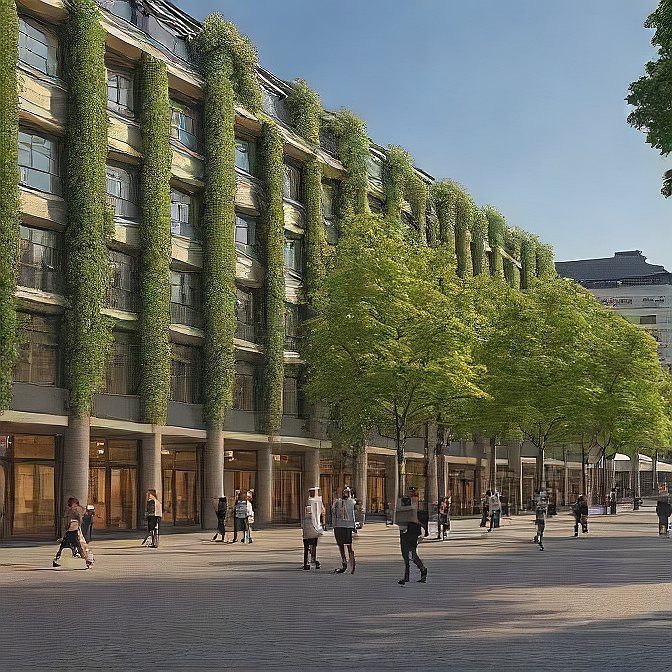
It is the former stagnant fjord city that has developed into one of the megacities in the modern world. Old world meets new world in the most inspiring manner in Oslo, as the town has state-of-the-art architecture, fantastic museums, green urban design, and a thriving tech sector. It is not merely a platform to discover natural wonders anymore but a destination in itself, having incorporated sustainability, creativity, and cultural richness in effortless style.
The new angular splendor of the Oslo Opera House, the off-the-grid neighborhood Grunerlokka, and all-around sustainable urban planning, to a new life of the exceptional MUNCH Museum, Oslo is making a statement about Scandinavian ingenuity that is as daring as it is new. In this blog, we will take you through the ten-faceted identity of the city that is battling tradition to cement a legacy in the future.
Check Out: Amsterdam: A Complete Guide to the Netherlands’ Vibrant Capital.
From Viking Outpost to Global Visionary: A Brief History of Oslo
The journey of the story about Oslo starts more than a thousand years ago, when it was a small place surrounded by Vikings. The city, which was also known by the name of Anslo or Christiania, was established around 1049 AD and assumed the role of being a great port and a center of power in the area.
Through fire, war, and change, Oslo has grown through the centuries. The great fire of 1624 wiped out most of the medieval city, and King Christian IV decided to build a new city named Christiania. The city received its original name, Oslo, again in 1925, signifying a return to its Nordic origins.
The city passed through the Danish rule, the Swedish occupation, and to full independence in 1905 as Norway evolved into a sovereign country. The city and its capital, Oslo, today carry that era and its lessons in the present by combining strength and revival in everything it does, including its governance and structure of the city.
Oslo Today: Green, Creative, and Globally Connected
Over the past few decades, there has been a silent revolution in Oslo. A city that was once defined by peaceful scenery, international recognition of Oslo as an environmentally-friendly, sustainable city, intelligent urban development, and innovative creativity has been achieved.
The city has an agenda to become one of the greenest capitals that is the world. From elaborate bikeways to green-efficient building designs to an effort at promoting electric buses and trains, Oslo is leading the way in to how cities can win in the fight against climate change by raising the quality of life.
However, it is not all about green. Oslo has now been seen as a startup magnet, in particular, for clean tech, ed-tech, and sustainable design. With its business-friendly environment coupled with a work-life balance, large numbers of entrepreneurs across the world have flocked towards it. Oslo also represents the capital of cultural diplomacy and human rights activism, with international forums and peace initiatives that are regularly carried out there.
Exploring Oslo’s Cultural Core
Being a small city, culturally, Oslo is a big world with world-renowned museums, experimental art, and historical archives that are all within walking distance. Begin with the MUNCH Museum, which is a beautiful homage to the most recognized Norwegian artist, Edvard Munch. Then visit the National Museum, where you will find everything ranging from the Viking-era old artefacts to the modern Nordic art.
To have a plunge into old sea traditions of the city, there is the Viking ship museum with beautifully kept vessels, grave items, and the mythology of the Norse. The Oslo street culture lives outside the institutions, in areas such as Grønland, where the colorful murals, concept stores, and independent galleries are part of the creative vitality of the city.
The Local Oslo: Neighborhoods Full of Life
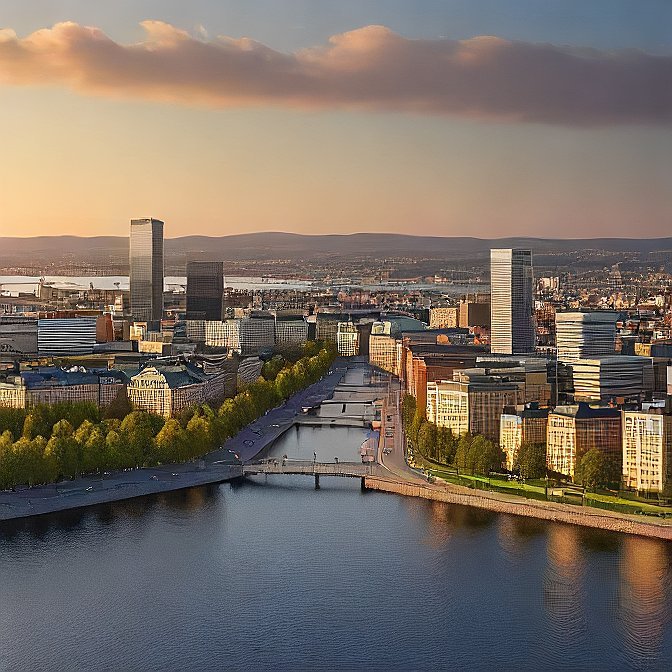
In order to grasp how life in Oslo really is, one must move off the tourist path and immerse oneself in the varied character neighborhoods that the city has. Every district is a personality, rhythm, and some kind of community atmosphere.
- Aker Brygge: The port of Oslo and its luxurious residential quarter Aker Brygge, which pieces a contemporary building with a harbor. Imagine fancy eating places, shopping malls, and after-work inhabitants drinking wine by the fjord.
- Grunner Loka strong brown cookie: the arty heart of the city. An old industrial area and now a center of street art, retro-shops, craft beer bars, and indie cafes. One of the more popular places with its younger, artsier Oslo population.
- Tövingen is reputed as a multicultural district with community gardens and the Natural History Museum. It is a neighborhood of people with social entrepreneurship and local culture.
- Frogner: More stock Oslo- luxury neighbourhood with a contemporary park, Frogner Park and the Vigeland Sculpture installation, green, compact and urban.
The same goes for Oslo’s public areas. The locals are comfortable maintaining a perfect balance between peace and culture, such as Sunday flea markets at the Birkelunden, and walking down rivers along the Akerselva River.
Food, Coffee, and Nordic Flavor
No more stereotypes! The food culture of Oslo is fresh and highly traditional. As a foodie on a mission or adventurous tourist, Oslo has it all with fresh flavours and memorable food.
Traditional Staples
- Some of the more traditional foodways are with the fish dish Rakfisk (fermented trout) and kjttkaker (Norwegian meatballs).
- Another Norwegian national treasure, Brunost (brown cheese), tastes nutty, caramelized, and indescribably delicious.
Coffee Culture & Cafés
Oslo is one of the greatest coffee cities in the world. Whether it is a micro-roaster or a third-wave cafe, such as Tim Wendelboe, quality and craft never fail to be the focus. Coffee is not a beverage; it is a cultural process.
Street Food & New Nordic Cuisine
You can find new pop-ups, street food, and new Nordic menus that reinterpret seasonal and local food in a stylish new way. You will taste menus with seaweed, spruce tips, and wild berries incorporated in the edible art.
Nature in the City: Oslo’s Outdoor Soul
Oslo not only has nature around it, but also in it. And no capital in the world has such easy access to wild countryside, silent waters, and unpolluted mountain air.
- Oslofjord Islands: these attractive islands can be reached by just taking a fuss of ferry ride away from the city centre, where you can picnic, enjoy the beaches, and walk.
- Nordmarka forest: A popular getaway for hiking, skiing, picking sticks, and peace, which happens to be within metro access.
- The urban fringe is wellness and wilderness in the Sognsvann Lake and city saunas such as the KOK and SALT.
- During winter, locals cross-country ski immediately after work. During summer, they swim and kayak in the morning before breakfast.
Visiting Oslo: Travel Tips for the Curious Explorer
Going to Oslo? Those are the best tips which will enable you to visit the city as if you are a local inhabitant, however, not losing too much money.
Best Time to Visit
- Summer (June-August): The time when outdoor life is the most enjoyable, one could stay out till late at night, and the festivals take place.
- Christmas season: Christmas Calcutta is a freezing cold winter landscape that hosts markets, lighting, and skiing.
Getting Around
- It has clean, efficient, and integrated public transport (metro, tram, bus, and ferry).
- Biking and walking are prevalent too, and safe.
Budgeting in a High-Cost City
- Oslo may be very expensive, and you will save with:
- Museum free-entry days
- Safe, clean tap water (safe and clean)
- Food halls and bakeries to buy cheap food
Etiquette & Essentials
- Norwegians are quiet and yet polite. Avoid pushing and intrusion into personal space, and queuing.
- It does not require tipping (round up), and credit cards are accepted everywhere.
Conclusion: Oslo’s New Legacy Starts Now
Oslo is now not only a city of fjords, peaceful streets, and ancient legends. It is an artistic, vibrant, and internationally oriented capital that is redefining Norway, its own way.
Oslo may be a city with Viking roots, but firmly rooted in its inherent culture and nature, it is also a fast-forward city in terms of its sustainability masterplans and projects. Be it its museums, be it its food, be it its forests, be it its architecture, the city provides an experience which is at once explicitly Norwegian and imminently cosmopolitan.
For more info: Click Here.
FAQs: All About Oslo
What is the duration of the stay in Oslo?
The best length of a trip to the city of Oslo is 3 days. You can visit all the main sights, the cultural attractions of the city, natural oases, and popular districts. However, 4-5 days give more of an experience of slow travel or nature hikes, which you can enjoy.
Is it possible to walk around in Oslo?
Absolutely. The majority belongs to the city center, and you can literally walk to most of these major attractions (including such ones as the Opera House, Akershus Fortress, Aker Brygge, and some museums). Oslo, as well, is reported to be a downtown-oriented city.
At what time of year is it best to visit Oslo?
It is when you need to have more long days, festivals, and sightseeing at the fjord islands – the summer (June to August). And it is perfect just at the end of November to January, when one can have a warm Christmas market and go skiing. Spring and the beginning of fall are also good because the weather and traffic are not too harsh.