Table of Contents
Introduction
The capital of the Philippines is a dynamic city, and Manila has an awesome past and is a city of numerous cultures and new places to explore. Manila is very interesting, too; its colorful streets, amazing historical monuments, and different cuisines are also the things worth seeing. It is a wonderful place to go without any doubt. Whether you are a history enthusiast, a lover of art, or someone who just needs to enjoy the tropics, Manila is likely to have something to offer.
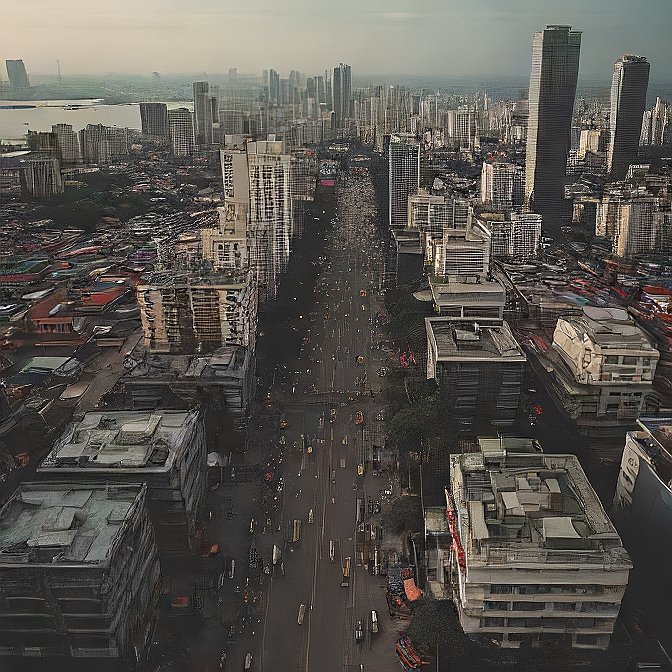
Here in this article, we shall be looking at reasons why you must have Manila in your Travel Bucket List, the must-visit attractions, the best things to do in Manila, food, food, street food, and tips to make your trip memorable.
The Rich History of Manila: A Journey Through Time
Manila is a city that knows and feels history, with its colonial buildings, the memorials of wars of the past centuries, and its cultural heritage monuments. The city has seen the come and go of the empires, and remnants still exist today.
The Colonial Era
Its history could be traced back to the 16th century, where it was marked by the Spanish colonization that left an unforgettable mark on the city. The role of the Spanish will most evidently be seen in Intramuros, or the historic walled city of Manila. When one goes into Intramuros, there is a sense of being taken back to the old days. The divided roads, the colonial structures, and the well-conserved buildings convey a sense of the colonial past of the Philippines.
Fort Santiago is a fort within the heart of Intramuros, which was first constructed in the year 1571 to provide a defense line to the people of Manila against external aggressors. A museum characterized by a structure and a memorial of the life of the Filipino national hero, Jose Rizal, is also found in the fort. Otherwise, the second pilgrimage that a history enthusiast cannot miss is to go to the San Agustin church, which is considered a World Heritage site as defined by UNESCO. The country hosts the oldest stone church, which was built in 1607, and there is knowledge in the aesthetics as well as the beauty that was put inside the architectural designs.
World War II and Its Legacy
During World War II, Manila was severely hit, and a lot of influences and effects of that turbulent era remain part of the city to this day. The well-known battle of Manila that occurred in 1945 destroyed most parts of the city. Even after all the damage, most of the historical structures have been reconstructed, and now Manila is a combination of the old world and contemporary technology.
The Manila American Cemetery and Memorial is a memorial to the war. For everyone interested in the war and WWII history, it is a reminder of the toll of the war. It is the largest American cemetery outside the American continent, and one can go to the site to give his/her respects to the soldiers who struggled and perished in the war.
Check Out: Singapore Awaits: The Ultimate Guide to Exploring Asia’s Most Exciting Capital.
Top Attractions to Visit
There is are plethora of attractions available in Manila that appeal to various tastes in the city. From countless historical sites to urban attractions, there is stuff to do in this city that never sleeps.
Intramuros and Rizal Park
Probably, the most famous attraction in Manila is Intramuros. It is the oldest district enclosed in ancient stone walls and full of history. Other than the Fort Santiago and the San Agustin Church, the tourists may experience Manila Cathedral, which is the place of the Archbishop of Manila, and Plaza Roma, which is a historical public area.
Having completed reading yourself in the colonial atmosphere of the Intramuros, turn into Rizal Park, which is one of the largest city parks in the world. It is situated beyond the walls of Intramuros, and it is named after one of the Philippine Heroes, Jose Rizal, using a monument in his honor. It is an epitome park, great to take a stroll or hold a picnic, and is also an ideal location to learn more about the Philippine struggle to gain independence.
National Museum Complex
Any trip to Manila would not be complete without getting the feel of all its cultural wonders. Art and history lovers will not miss going to the National Museum of the Philippines. The complex also houses the National Museum of Fine Arts, the National Museum of Anthropology, and the National Museum of Natural History, each of which displays the Filipino art, history, and the biodiversity that is phenomenal in the country.
The National Museum of Fine Arts has a considerable number of paintings, statues, and other exponents by Filipino painters, including the popular Spoliarium by Juan Luna. The National Museum of Anthropology exhibitions present data about different cultures and other traditions of the Philippines, and the National Museum of Natural History provides their glimpse of such things as the unique flora and fauna of the country.
Baywalk and Manila Ocean Park
To have a break, go to the baywalk, which is a beautiful park bayside with a coffee shop. Baywalk is an excellent place to spend an evening, and stroll along watching the setting sun across Manila Bay. The promenade will provide you with a splendid selection of cafes, restaurants, and bars where you can relax after a day of touring.
Across it, there is the Manila Ocean Park, which is more participatory. Marine life in the oceanarium ranges from ferocious fish and sea lions. Other exhibits available to visitors include the Ocean Journey and the Frozen Tundra, in which visitors are able to not only get close to the penguins but other cold-water animals.
Shopping, Dining, and Entertainment
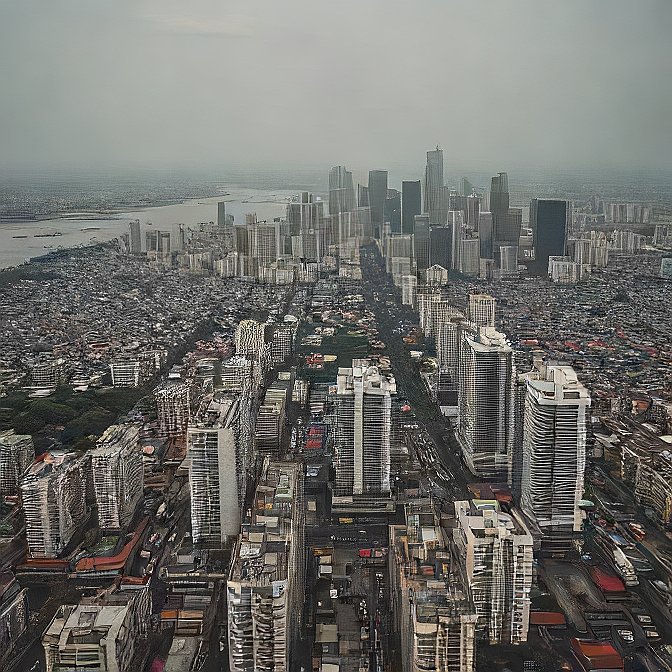
This is a city that meets the taste of all kinds of travelers, be it a person who want good shopping, be it a foodie, or be it a person who wants to spend a wonderful night.
Shopping Destinations
The city is a shopper’s paradise with everything ranging from the elite malls to hustling markets. It also has one of the largest malls in the arsenal, SM Mall of Asia, which will be heaven to the people who would want to have a one-stop shop. SM Mall of Asia is a place with hundreds of stores, restaurants, and even an ice skating rink, so that everyone could find something he or she like.
Greenhills Shopping Center is the center for purchasing things that are local products and souvenirs. It is also known as a lively marketplace, and you can find anything and everything you can think of at a much cheaper price, including jewelry, electronics, clothing, as well as Filipino craftwork.
Food Scene
The cuisine in the city is diverse and varied. The city has a variety of Filipino, foreign, and modern restaurants. Some of the dishes to be tried are adobo, a flavorful stewed dish that is prepared on pork or chicken marinated in vinegar, soy sauce, and garlic, and lumpia, the Filipino version of spring rolls stuffed with either meat or vegetables. As a dessert, you cannot leave out halo-halo, a sweet mixed dessert prepared on shaved ice, sweet beans, fruits, and leche flan.
It also accommodates a variety of restaurants dealing more of fusion food of local and international tastes. You are in the mood for a fancy junk food or a side of the street clean up, Manila has nothing to worry about in terms of food to quench your hunger.
Nightlife in Manila
As the sun sets, it turns into a full-fledged nightlife centre. Whether it is stylish bars or lively clubs, the choice ranges to any liking. Poblacion is a hipster section of Makati, and there are more than enough bars and cafes, with live music entertainment. To have fun till late hours of the day, Bonifacio Global City (BGC) is where one should be, as it provides many nightclubs and night entertainment opportunities.
Exploring Its Culture and People
The culture of the city is rich and based on its history, and the Manila people are considered very welcoming to tourists. It does not take long to teach the tourists that the locals are friendly and willing to share their culture and traditions.
Festivals and Traditions
Festivals are one of the most colorful events in Manila. One of the most important religious festivals in the city is the Feast of the Black Nazarene, in which millions of followers flock yearly to attend the procession that started in the 17th century. Another vibrant festival is the Sinulog Festival, which takes place in January, and it is the display of vibrant culture and traditions of the Philippines.
Local Arts and Crafts
Manila is also doing well in the art scene. The city is laden with creativity; it may be in the manifestation of contemporary exhibits in the gallery to big-watt district street art murals. Arts and crafts, as well as unique souvenirs of Manila, are well known arts and crafts produced locally, and they include hand made textiles, wooden carvings, and jewelry.
Warm and Hospitable Locals
The people are the most fantastic aspect of Manila. The Filipino people are highly hospitable, and they tend to welcome visitors to the city. You may be either lost or simply want some recommendations, but you will find out that the locals will be more than happy to help you out.
Practical Tips for Visiting The Capital
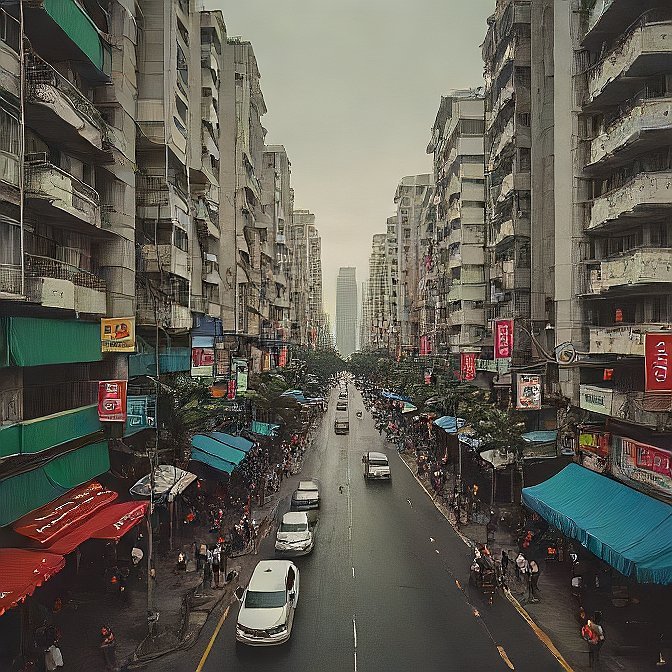
These are quite significant tips that a first-time visitor can abide by so that he or she makes his trip to this city easy and pleasurable.
Best Time to Visit
The best period to visit this city happens to be slightly during the dry season, that is between the months of December to May. The weather is far better in this period, and one does not have to fear rainfall when moving in and around the city. The rainy season is June to November, so one would be discouraged from visiting during that period of the year.
Getting Around
It can be too much even to a first-time visitor, especially when dealing with the city traffic. The mass transit is comprised of the jeepneys that are painted in different colors, minibuses that carry passengers along fixed routes and sharing and are considered the cheapest and quickest means of moving around the city, the LRT (Light Rail Transit) system. There is also a common use of taxis and even ride-share services such as Grab.
Safety and Health
It is mostly safe for tourists, but one should be watchful. Staying in well-lit places, refusing to exhibit valuables, and sensing about the surroundings are some of the measures that can be taken. Health-wise, ensure that you drink bottled water and do not spend much on street food unless you are used to it.
Conclusion
It is a city that has got exciting blend of history, culture, food, along entertainment. Visiting colonial-era attractions to enjoying a fantastic food scene and the pulsating nightlife, up until now, there is always something new in this city. You will have some memorable moments that the Filipino people and the mixture of old and new in the city will bring you. Then pack your luggage, accept the challenge, and have Manila prove to you what it means to be the heart of the Philippines.
For more info: Click Here.
FAQs
When is the most appropriate time to visit Manila?
November to June are rainy months, with December to May being the right season to move outdoors.
What are the Manila attractions?
You should not miss Intramuros, Rizal Park, the National Museum, and Manila Ocean Park to take a full circuit.
Is Manila safe for tourists?
Travelers are entirely safe in Manila most of the time; however, one has to be cautious, especially in busy places and at night.