Most weeks do not arrive with dramatic changes or unforgettable plans. They are made of familiar alarms, repeated meals, ordinary errands, and evenings that seem to disappear faster than expected.
When life feels repetitive, it is easy to assume that something important is missing. You may believe you need a vacation, a new goal, or a completely different routine before your days can feel meaningful again.
But a meaningful life is not built only through major events. It is also shaped by the small ways you pay attention to what is already here.
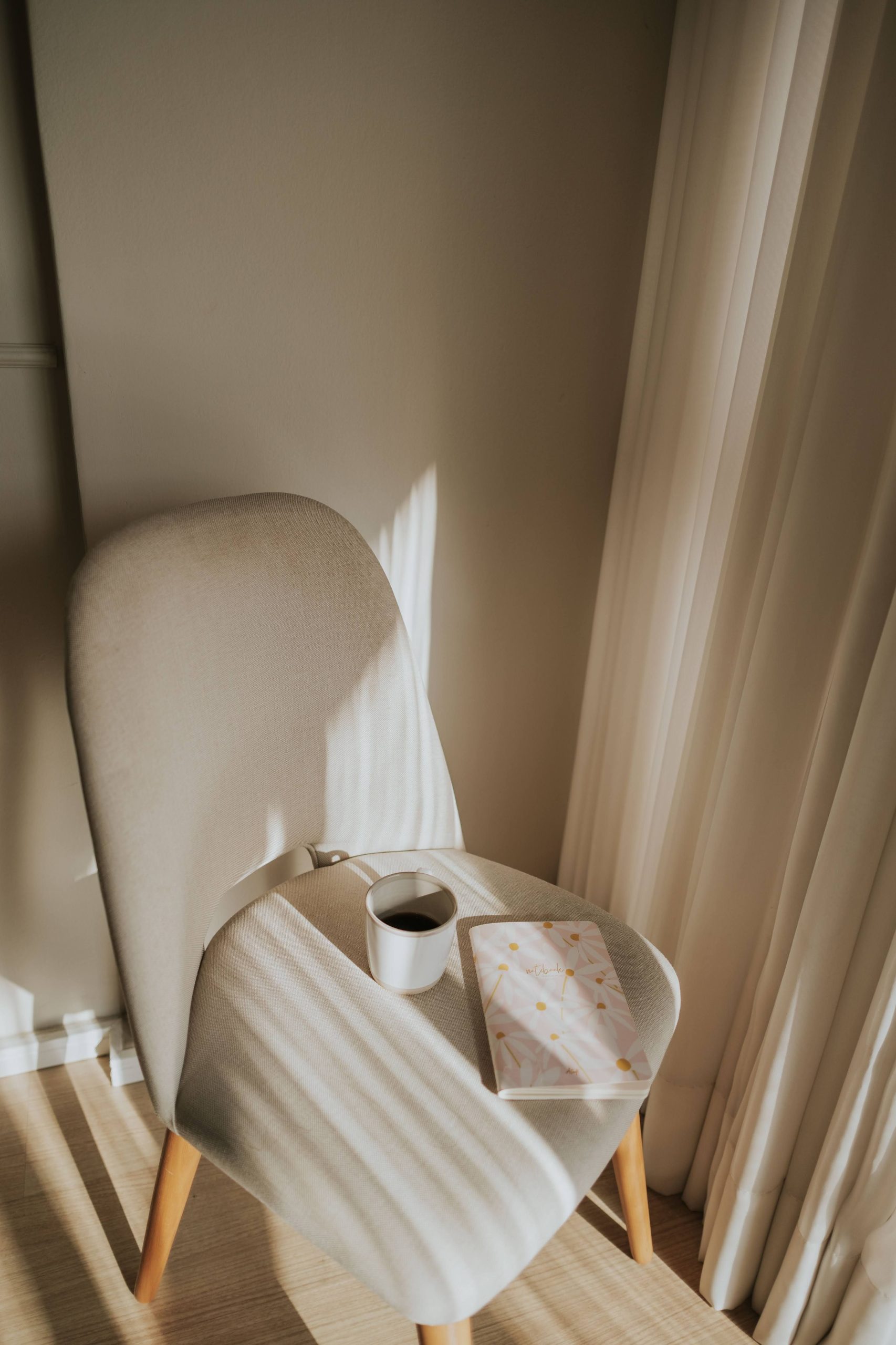
A ritual is different from another item on your schedule. A task is something you complete. A ritual is something you return to because of how it makes you feel. It gives an ordinary moment a little more care, intention, and identity.
The most helpful rituals are usually simple. They do not require expensive supplies or a perfectly organized life. They are small enough to survive a busy week and personal enough to feel like your own.
Begin One Morning Without Rushing
You do not need a two-hour morning routine to change the mood of your day. Choose one morning each week when you allow yourself to move more slowly, even if only for fifteen minutes.
Make a drink you enjoy and sit somewhere comfortable before looking at messages. Open a window. Listen to the sounds outside. Write a few sentences about what is on your mind, or simply finish your coffee without doing anything else at the same time.
This small pause tells your nervous system that the day does not have to begin with urgency. It gives you a moment that belongs to you before other people, responsibilities, and notifications start asking for your attention.
Create a Weekly Meal You Can Look Forward To
Food becomes easy to overlook when every meal is squeezed between other responsibilities. A weekly meal ritual can bring pleasure and rhythm back to something you already do every day.
It does not need to be elaborate. You might make pancakes on Saturday morning, prepare your favorite pasta on Wednesday night, or buy fresh fruit for a quiet Sunday breakfast. The value is not in the recipe. It is in the sense of anticipation.
Repeating a meal at the same point each week creates a gentle marker in time. It gives the week shape. Even during an unpredictable period, there is comfort in knowing that one familiar pleasure is waiting for you.
Take a Walk Without Turning It Into Exercise
Many activities lose their softness when they become another measurement. A walk can quickly turn into a target for steps, speed, distance, or calories.
Try taking one walk each week with no performance goal. Leave your headphones at home for part of it. Notice the weather, the buildings, the trees, and the people moving through their own lives. Choose a route because it is pleasant rather than efficient.
A walk like this helps you return to the physical world after spending hours inside your thoughts or in front of screens. It reminds you that you are not only a person who produces and completes things. You are also a person who can observe, wander, and be curious.
Reset One Small Space
You do not have to deep-clean your entire home to feel a sense of renewal. Choose one small area that affects your daily mood: a bedside table, a kitchen counter, the chair where clothes collect, or the surface where you leave your keys.
Once a week, clear that space and return only what is useful or beautiful. Wipe the surface, put away the objects that wandered there, and perhaps add something simple such as a book, a plant, or a small lamp.
The goal is not to create a perfect home. It is to make one corner of your environment feel supportive. A calm space can become a visual reminder that you are allowed to begin again, even in the middle of a messy week.
Keep a Record of Ordinary Good Things
We often remember what went wrong because difficult moments demand attention. Quietly pleasant moments are easier to miss. They happen, make us feel better for a few minutes, and then disappear from memory.
At the end of the day, write down one ordinary good thing. It could be sunlight on the floor, an unexpectedly kind message, a song you had forgotten, clean sheets, or a conversation that made you laugh.
This practice is not about pretending every day is wonderful. It simply gives small positive moments a place to remain. Over time, the list becomes evidence that your life contains more texture than your busiest or hardest thoughts may suggest.

Protect One Screen-Free Evening
An evening can disappear while you move between videos, messages, news, and other people’s lives. You may reach bedtime feeling overstimulated but strangely unsatisfied, as if you were busy without actually being present.
Choose one evening, or even one hour, when you put your phone in another room. Read a few pages of a book. Take a bath. Cook slowly. Work on a puzzle, stretch, listen to an album, or sit with someone you care about without checking what else is happening.
The first few minutes may feel uncomfortable. Constant stimulation can make quiet seem empty. But when you stay with it, the evening begins to feel longer. You notice what you actually want instead of automatically reaching for whatever appears next on a screen.
Make One Connection More Intentional
Relationships often continue through quick updates and practical messages. These forms of contact are useful, but they do not always create the feeling of being known.
Turn one conversation each week into a small ritual. Call a family member while making dinner. Send a thoughtful voice message to a friend. Share tea with your partner after the day settles. Ask a question that goes beyond what happened and makes room for how someone is really feeling.
Connection becomes meaningful through attention, not constant availability. A short conversation in which both people are present can feel more nourishing than hours of distracted contact.
Close the Week With a Gentle Review
Before a new week begins, spend ten minutes looking back at the one that just ended. Do not treat it like a performance review. You are not there to grade yourself or make a list of everything you failed to finish.
Ask yourself three simple questions: What gave me energy? What made life harder than it needed to be? What would I like to carry into next week?
Your answers may be practical. Perhaps preparing lunch helped your mornings. Perhaps saying yes to too many plans left you exhausted. Perhaps a quiet walk made you feel more like yourself.
A gentle review helps you learn from your actual life instead of repeatedly designing an ideal routine that does not fit you. It turns experience into guidance.
Let Rituals Be Flexible
A ritual should support your life, not become another standard you use to judge yourself. Some weeks you will miss it. Sometimes a favorite habit will stop feeling meaningful. Your needs will change with your season, energy, relationships, and responsibilities.
You are allowed to adjust the ritual, replace it, or let it rest. Consistency matters less than sincerity. The point is not to perform a beautiful lifestyle. The point is to create moments in which you feel connected to your own life.
Start with one ritual rather than trying to redesign your entire week. Choose something small enough that you can do it even when life is imperfect. Repeat it long enough to notice what it gives you.
Meaning Is Often Something You Practice
Ordinary weeks can feel empty when you move through them without pauses, markers, or moments of attention. Small rituals interrupt that blur. They help you notice beginnings and endings. They create something to anticipate and something to remember.
Your life may still be busy. The laundry will return, plans will change, and some days will remain difficult. A ritual does not remove those realities. It gives you a place to meet yourself inside them.
You do not have to wait for a special occasion to light a candle, use the good cup, take the longer walk, or prepare a meal with care. Small acts become meaningful when you decide they are worth your attention.
Which ordinary part of your week could become a ritual if you approached it with a little more intention?