Table of Contents
Introduction: Step Into the Majesty of the Colosseum
The Colosseum hovered over the place of the City of Rome and the architecture and cultural mission that it left behind as a marvelous legacy of the Roman Empire. This was done during the reign of Titus in AD 80. Over 50,000 individuals went into the amphitheatre a number of times consecutively to watch the bloodshed between the gladiators, the killing of wild animals, and the amazing acts of civilians.
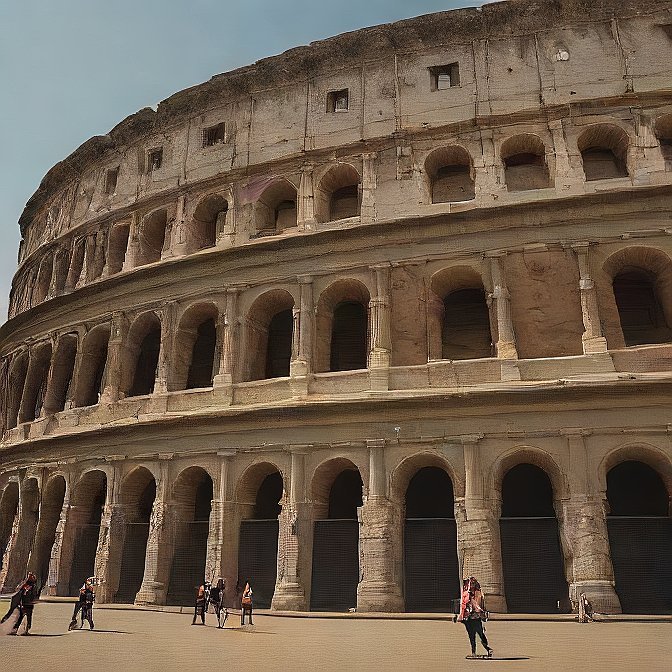
Almost 2,000 years after its erection, the Colosseum is a legend of the most famous monuments ever built in Ancient Rome and one of the most popular historical attractions on the entire planet. Still, it amazes millions of tourists, scholars, and other photographers visiting it due to its atmosphere of adventure, which is still felt when exploring the halls of rocks
Nevertheless, the Colosseum is not only a ruin: it is a living witness to the grandeur of Rome, its military forces, and its fondness for spectacles. In this guide, we are going to show you four ever-lasting reasons as to why the visit to the Colosseum is not only the tourist site, you have to visit but also the trip you will not forget and the tour to the historic place that will make you feel visiting the heart of the ancient Roman civilization.
1. Architectural Brilliance That Has Withstood the Ages
The Colosseum can be defined as the masterwork of ancient engineering, which can inspire modern architects and engineers to date. It was constructed within the period of 70-80 AD, a testimony that it was the largest amphitheater in the Roman Empire and the largest one that was ever constructed in ancient times into This is by far amazing in view of the tools and technology used during the period.
The Colosseum is unique because of its architectural design and its strength. Its structure and elliptical form made this stadium have effective crowd traffic and good viewing opportunities in every seat. Not only was the structure made with heavily reinforced concrete and made up of a complicated system of arches and vaults, but the travertine stone it provided adequate strength and flexibility, which assisted it in resisting earthquakes, fires, and centuries of use.
The hypogeum is a maze of underground tunnels and rooms underneath the arena floor that contained animals, gladiators, and stage equipment. This was a very intricate system that enabled dramatic surprises to be created during events, e.g., animals could come through trapdoors, or whole sets could be raised up through the floor.
This tiered seating at the Colosseum broke down by social hierarchy, but was actually an engineering miracle in terms of crowd control, as it could hold more than 50,000 spectators and was able to have them enter or exit within several minutes of each other. Its radial flights of steps, its numbered gates (many of which can still be seen), and its sunshade brolly (a roll-out awning mechanism) show a degree of planning and practical facility that proved an example to the world of modern stadiums and arenas.
The fact that the Colosseum has lived to be about 2,000 years old is an indication of Roman ingenuity and accuracy. When you step inside its walls, you can see not only some sort of reflection on the past but the very basics of architecture and entertainment that people still use today.
2. A Place Where History Comes Alive
It is not only a visit to an ancient ruin when passing through the gate into the Colosseum; it is a walk back through a thousand years to the center of Roman life. This historical stadium used to be a place of exciting events that were experienced and appreciated by people of different statuses: emperors, senators, soldiers, and ordinary people. Gladiators who fought to the death, the hunting of exotic animals, and epic dramas being acted out on a massive stage set occurred here.
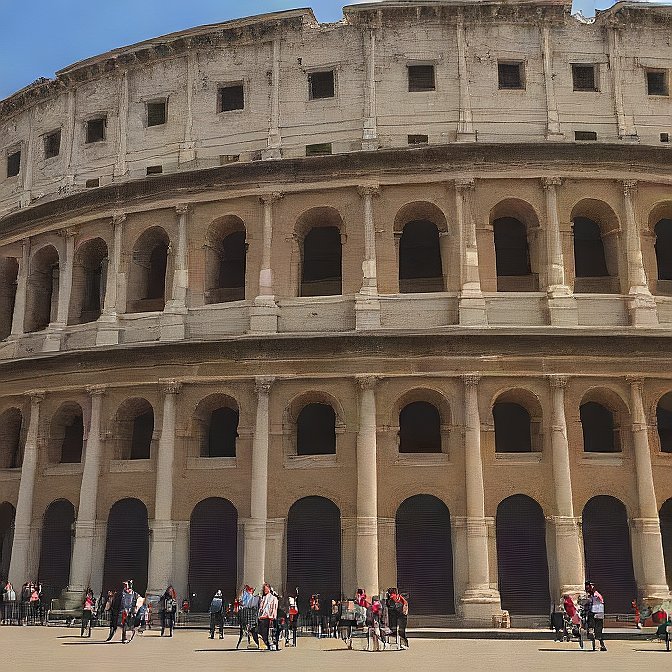
One can say that these are not just entertainment, but well-coordinated displays of imperial might and Roman ideals, such as strength, courage, and discipline. Military victory events or gaining popularity could see the staging of events that were usually free by allowing entry as a present of the people by the emperor.
It is the literal re-creation of the same energy and drama, which is strikingly evident since that time, that makes the Colosseum so powerful nowadays. The visitors can pose on the arena, where the gladiators used to fight, and observe the ruins of the hypogeum, where the animals and thematic shows were waiting to get their chance, as well as look down to the audience where tens of thousands of people were able to cheer and hold their breath with amazement.
The Colosseum is a site that is worth the view of history lovers, adventurous tourists, and even sightseers. The walls around it seem to expound some stories of bravery and blood and empire, and it is the place where the old world not only exists, but it becomes alive.
Check Out: Prague Old Town, Czech Republic: 3 Must-See Sights in the Heart of the City.
3. Panoramic Views and Powerful Photo Opportunities
The Colosseum is not just represented as a monument of historic relevance but also among the most aesthetically alluring monuments of all entire Italy. The Colosseum has shocking photo shots at every corner, whether you are a professional photographer or a smartphone tourist.
Hike to the higher levels of the amphitheater and you will be paid back with amazing panoramic pictures of Ancient Rome- including the adjacent Roman Forum, Palatine Hill, and massive skyline of the city. The giant size of the Colosseum and its central place in the life of the Romans are what you can see perfectly in this perspective.
Photographers love the outside of the Colosseum, particularly in the mornings and evenings. It has been given depth and richness with the manner in which the golden light plays upon its weathered stone walls, and this mixture of light and texture makes it equally suitable in wide-angle shots and in dramatic detail shots. Infinite composition opportunities come with the arches, columns, and textures of the building facade, including those of those interested in the contrast between the ancient history and modern Rome.
The arena floor, elevated spectator decks, and the open hypogeum on the inner side of the arena form exciting images and constitute part of the narrative of the place. Guided tours available must promise the visitor special access to restricted areas of the archeological site, like the underground tunnels or the upper level, which is quite special to a visitor seeking an added privilege.
Regardless whether you would like to take some renowned photographer shots in your travels or want to have some deeper artistic experiences, Colosseum might serve both those purposes since it does not just appear beautiful, it is also a story in itself, and the person willing to capture the very mind and soul of Rome needs to [come to] Colosseum to see Colosseum, as well.
4. Easy Access and Central Location in Rome
Among many other factors, the Colosseum is in a good strategic location, located in the centre of Rome, making it one of the best travel destinations. It is located a step away Roman Forum and Palatine Hill, which makes it an ideal base when it comes to exploring the crowning jewels of the ancient city of Rome, which are only within walking distance.
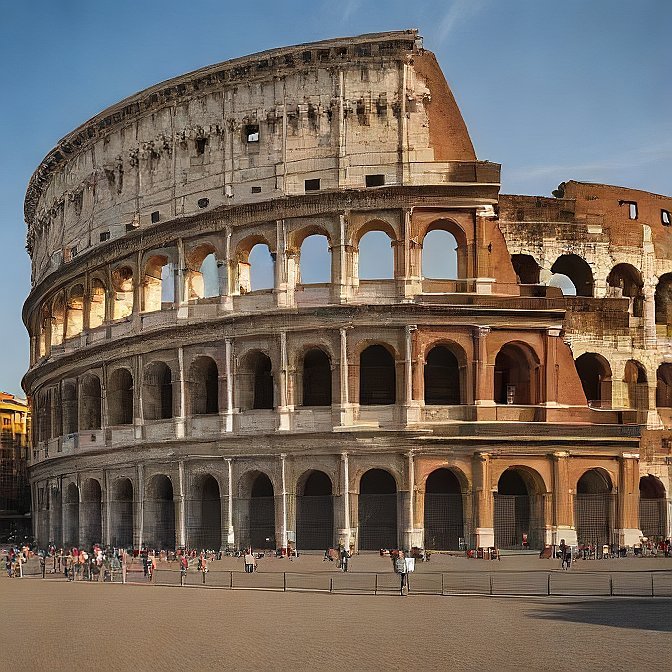
It is easy to reach the Colosseum. It can be reached easily both by metro (Colosseo Station on the line B), by bus, by taxi, and even on foot within the walking distance of neighboring areas. Neighborhood it falls in fits it perfectly as a day of sightseeing starting point, especially with the inclusion of other key attraction points and its geographical position and location in the city will offer a maximum localization, especially when including spots like Arch of Constantine, Capitoline Museums, or Piazza Venezia in a day of sightseeing.
The site has several types of tickets, such as normal entry, skip-the-line, and guided tours. Most tours also grant access to the Roman Forum and the Palatine Hill, producing very good value and giving a measure of Roman life in full.
The visitors will also have the option to improve the experience with the help of audio-guides, virtual reality tours, and access to the underground and upper tiers- all of which are something that suits all types of travelers, whether it is a casual tourist or a history lover.
Centrally situated, with all the visitor facilities needed, and still in the cultural context, the Colosseum is not only convenient, it is an indispensable item on any Roman tourist agenda.
Conclusion: Experience the Colosseum—Where Ancient Rome Lives On
The Colosseum is more than an old ruin. It is a landmark, a breathing creature of a landmark to the eternal wonder of Rome, a wonder of architecture, the location of tales of legend, and the closeness to the heart of one of the biggest civilizations of all time.
Be it its breathtaking architecture, its shocking past history, or the incomparable photo snapping opportunities, visiting the Colosseum is an experience of a lifetime that places you right in eyeshot of the power, precision, and passion of the Roman Empire.
Visit the Colosseum and enter the arena of one of the most famous and impressive in the world. Where history walks inside every stone.
For more info: Click Here.
FAQs About Visiting the Colosseum
Q1. When is the most opportune moment to visit the Colosseum?
The best time to take it would be early in the morning or late in the afternoon when the crowds would be cleaned up and more light introduced. The optimum visitation time is in the off-season (November to March) so as to get a lot of silence.
Q2. So, what is the duration to spend in the Colosseum?
At the Colosseum, where you anticipate spending at least 1.5 to 2 hours, be sure to time yourself. To this amount of time add 4 more hours (supposing a combination ticket covering the Roman Forum and Palatine as well), when you are to visit these also.
Q3. Can we enter the Colosseum on the underground level and the top level?
Yes, however, what is called hypogeum (underground areas) and upper levels can be accessed through a licensed or special access tour, which can also be booked online in advance.