Table of Contents
Introduction: Brussels—Where Global Influence Meets European Charm
Once the people start thinking about the image of Brussels, some images of decadent chocolate, golden waffles, or funny statues such as Manneken Pis probably pop into their minds. However, the city of much greater importance than the postcards and the pastries is a city of crossroads of a world of diplomacy, culture, and European unity. In Brussels, international policy, history, and contemporary European identity all come together.
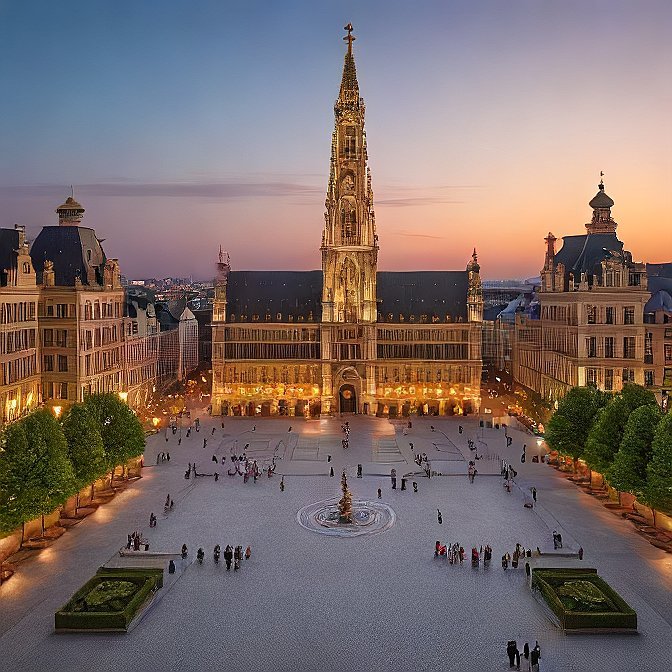
Brussels, being the de facto capital of the European Union, is the epicentre of what happens to the rest of the world as far as decisions are concerned. It has the European Commission, the European Council, and the headquarters of NATO, and is presumably one of the politically powerful cities across the globe. However, even after this influence, the city still has a relaxed sense of civility with cobbled squares, Art Nouveau buildings, and marketplaces which point towards the multi-layered history of the century.
In Brussels, the modern innovation is standing next to the old-worldness. Diversity is celebrated in this city as a multilingual region (mostly French and Dutch, with English being widely spoken), the multicultural districts, and the image of an international gathering place of diplomats, artists, and intellectuals.
Being a first-time or returning tourist, this guide will introduce you to the realm of real Brussels, a new and blooming capital which is not just a political hub. It is a vibrant city, and it is developed as it evolves, and it is the face of the quiet ascent of Belgium onto the world stage.
The Heart of Europe: Why Brussels Holds Global Weight
The geopolitical power that Brussels bears is hard to match in other cities in the world. Being a de facto capital of the European Union, Brussels harbors major European Union institutions, such as the European Commission, the European Council, and the European Parliament (partially). It is also the NATO and dozens of international NGO and international think tanks.
This establishes Brussels as a major capital of the European political and economic background, where most decisive decisions are taken on issues like climate policy, trade regulation, among others. The city can thus be described in many aspects as being the nerve center of diplomacy on the continent.
However, the role of Brussels in the world is not bureaucratic but symbolic. The city provides the values of cooperation, multilingualism, and common governance, which are the basis of the European identity.
A Walk Through Time: The Historic Core of Brussels
You have to merely walk along the old center of the city to experience the different layers of the European history of Brussels.
Brussels was a medieval trade center that thrived during the prosperity of the Dukes of Brabant and continued to grow powerful under the Habsburgs. These influences can be detected in its architecture, some of which are most notoriously described in its grand place, a UNESCO world heritage site, with its jazzy guildhalls and its massively spectacular town hall.
The other historic sites that you cannot miss:
- The Gothic kind of Brussels town hall represents the medieval urban spirit of pride
- The Royal Palace of Brussels is the official royal residence in Belgium of the Belgian monarch
- Mont des Arts, signifying panoramas and historicity between the ancient urban and the contemporary EU quarter
As an architecture admirer or random tourist, these are some historic locations in Brussels you will find interesting, with a very good story content of how the city has managed to rise through war, peace, and diplomacy.
Brussels Today: Smart, Stylish, and Multicultural
Contemporary Brussels is a mixture of cultures and styles, and innovation. Having a multinational citizenship, consisting of more than 180 nationalities, the city is one of the most mixed cities in Europe: it manifests itself not only in food but also in languages and architecture.
The EU Quarter is the front side of Brussels, with glass towers, parks, and diplomatic traffic. In comparison, places such as Ixelles or Saint-Gilles are busy with neighborhood energy and art venues, and cafes that are multicultural.
Brussels of today is, as well:
- A hub of digital innovations and a smart cities program
- A centre of design and fashion, which is shown in fairs such as Brussels Design September
- A young city, which owes its youthfulness to international students and professionals attracted by international power and prices (compared with Paris or London)
Brussels is a city of new ideas and urban culture, because of its changing face of identity.
Iconic Brussels: Landmarks That Define the Capital
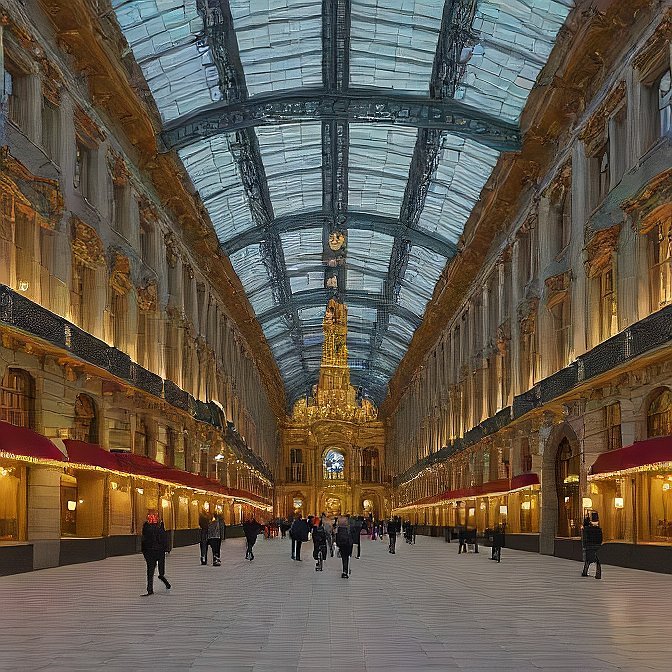
Brussels is no joke with governance, but it is not lacking in personality. There are some of the most unique monuments in Europe in the city, and they are all in front of them, which encompass a part of their spirit.
- The Atomium: It was created to host the World Expo of 1958 and should symbolize science and technological advancement.
- Manneken Pis: a strange bronze sculpture of a peeing boy, this is a funny memorandum of Belgian charm and disdain.
- Parc du Cinquantenaire. This is a massive park with a neoclassical style built to celebrate the 50th anniversary of Belgium’s independence, and that is why this park can be visited by a lover of history and an organizer of picnics.
- Royal Museums of Fine Arts of Belgium: The Royal Museums of Fine Arts of Belgium consist of Roelof, Magritte, and Rubens.
The ensemble of these best places in Brussels, which should be seen, leads to the formation of the image of the presence of contradiction and harmony as well; they speak of the city that is great and, nevertheless, friendly, formal, and, at the same time, offbeat.
The Flavor of Belgium: Culinary Adventures in Brussels
Belgium is tiny; however, its food is great, and Brussels is a heaven of everything edible and gastronomical. The food culture as found in the city can be categorized as an appetizing cocktail of heritage, innovativeness, and cultural infusion.
Begin with the classics:
- Belgian waffles are most delicious when served by the street vendor or the waffle specialist cafes
- Moules-frites (mussels and fries), a national classic dish done with herbed broths
- Artisan chocolates, such as the most famous chocolatiers of the world, such as Pierre Marcolini and Neuhaus
- Belgian beer, whose tasting can be done in places such as Delirium Café or Cantillon Brewery
Go foodie-hoods such as:
- Place Sainte-Catherine – a seafood paradise and lovely snack bars
- Flagey Reposeful cafes, international food, and a food market on weekends
- Chatelain and Ixelles, with its restaurants and wine bars that are trendy
- Be it a sample of a 3-euro waffle or a trappist ale made in a centuries-old tavern, Brussels has culinary pleasures in every corner.
Check Out: Madrid: The Unyielding Capital at the Heart of Spain’s Glory.
The Local Life: Neighborhoods That Tell Brussels’ Story
The best method of knowing what living is all about in Brussels is to go out of the tourist centre and into the exotic Brussels quarters. Each district has its inner, has its past, has its beat.
Highlights include:
- Marolles is A working-class neighborhood that is full of flea markets, graffiti, and Bohemian soul
- Sablon – fancy and artistic, there are stores selling antiques and the chocolatiers as well
- Saint-Gilles Vibrant, multiethnic, and hip with artists
- Etterbeek 12 – quiet, green, near the European institutions
As you explore, expect to find:
- Victor Horta’s architecture of Art Nouveau
- Second-hand outlets and craft shops
- Food stalls in the nooks and crannies, and Sunday street markets
There is an equilibrium between that European glamour and ultra-local identity that makes Brussels so charming.
Art, Culture & Creativity: Brussels’ Hidden Edge
Brussels is rather a city of diplomacy, but the artistic and cultural part is just as interesting and, in some cases, rather quaint as well.
- The art of the city begins and ends with surrealism, courtesy of the local-born artist, René Magritte, whose legacy is demonstrated in the Magritte Museum
- The culture of comic books is still going strong as giant posters of Tintin, Spirou et al. occupy the streets
The city also hosts a range of dynamic events:
- Brussels Summer festival, 10 days of music and performance during August
- BXL UNWRAPPED – a party of street art and surprising artworks
- Modern museums, such as MIMA and WIELS, push the limits of design and expression
Just stepping into an ancient gallery or as you dance in the warehouse concert, the creative and cultural facets of Brussels will enable you to see a capital that has many surprises.
Getting Around and Travel Tips for Visiting Brussels
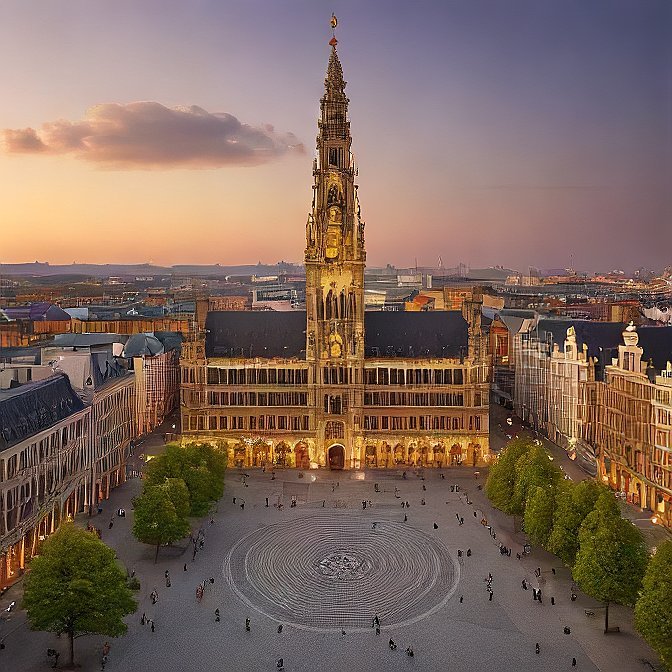
Brussels is a densely populated, well-communicated, easy city to walk around, as it is an easy city to get around, by tram, on foot, or even by train.
Getting Around:
- There is a metro, tram, and bus (serviced by STIB/MIVB and available through MOBIB cards)
- Centres, such as the Grand Place or Sablon, are at their best explored on foot
- Cycling is on the rise, and Villo! bike-sharing: stations are all around the city
Travel Tips:
- The best time to visit: The days of a mild spring (April-May) and early autumn (September-October), and less flow of people
- Language: The official languages are French and Dutch, whereas in the tourist attraction areas, English is usually spoken
- It would be best to stay away on Mondays because most museums are closed, and restaurants are not in the position to provide services to the visitor
These are among the major tips in travelling to the site by those who are first timers, who are advised to travel to Brussels to enjoy every single day.
Conclusion: Why Brussels Is the Capital to Watch
It is a city of contradictions and nuances, and this is exactly what makes Brussels stand out from the rest of the world, where cities tend to be heavily invested in a certain identity. It is a city where the political importance is interlaced with street art, Michelin-deserving dinners are followed by a visit to the flea market, and the ancient architecture is topped with the towers of the modern EU roofs.
The city of Brussels is not only the heart of Belgium but the pulse of Europe as well. Being both a diplomatic center and a cultural crossroad, the city presents the possibility of being simultaneously rooted at the same time global.
Be it chocolate or comic murals, the Grand Place or the global politics at large, one thing remains obvious: this is the capital city to keep an eye on, Brussels.
For more info: Click Here.
FAQs About Brussels
1. Is Brussels a reliable tourist city?
Brussels is normally safe for tourists. In case of any large city, you are supposed to be conscious of your location, particularly in busy places or when it is dark. Pickpocketing is possible in tourist areas, and anyone is advised to watch his/her belongings. On balance, it is a friendly and nicely policed city.
2. What language is spoken in the Belgian city of Brussels?
Belgium is a proud owner of two official languages, that is, French and Dutch. The city is even more French-speaking, but there will also be bilingual traffic signs. It just so happens that English is a language spoken by most people, mostly in tourist areas, and thus, a visitor can move around very easily.
3. How long will it take me to visit Brussels?
It is possible to take a trip to Brussels that will take two to three days. That is enough to visit most of the tourist attraction places in Brussels, like Grand Place, Atomium, Royal Palace, Magritte Museum, and some of the local delicacies include Belgian waffles, chocolate, and fries. Your travel time can be fast, but 4 to 5 days will be enough, just in case you want to give day trips to cities around, like Bruges or Ghent.