Your relationship looks fine from the outside.
Your partner still texts you. You still spend time together. There has been no dramatic argument, no betrayal, and no obvious reason to believe something is wrong.
And yet, you cannot relax.
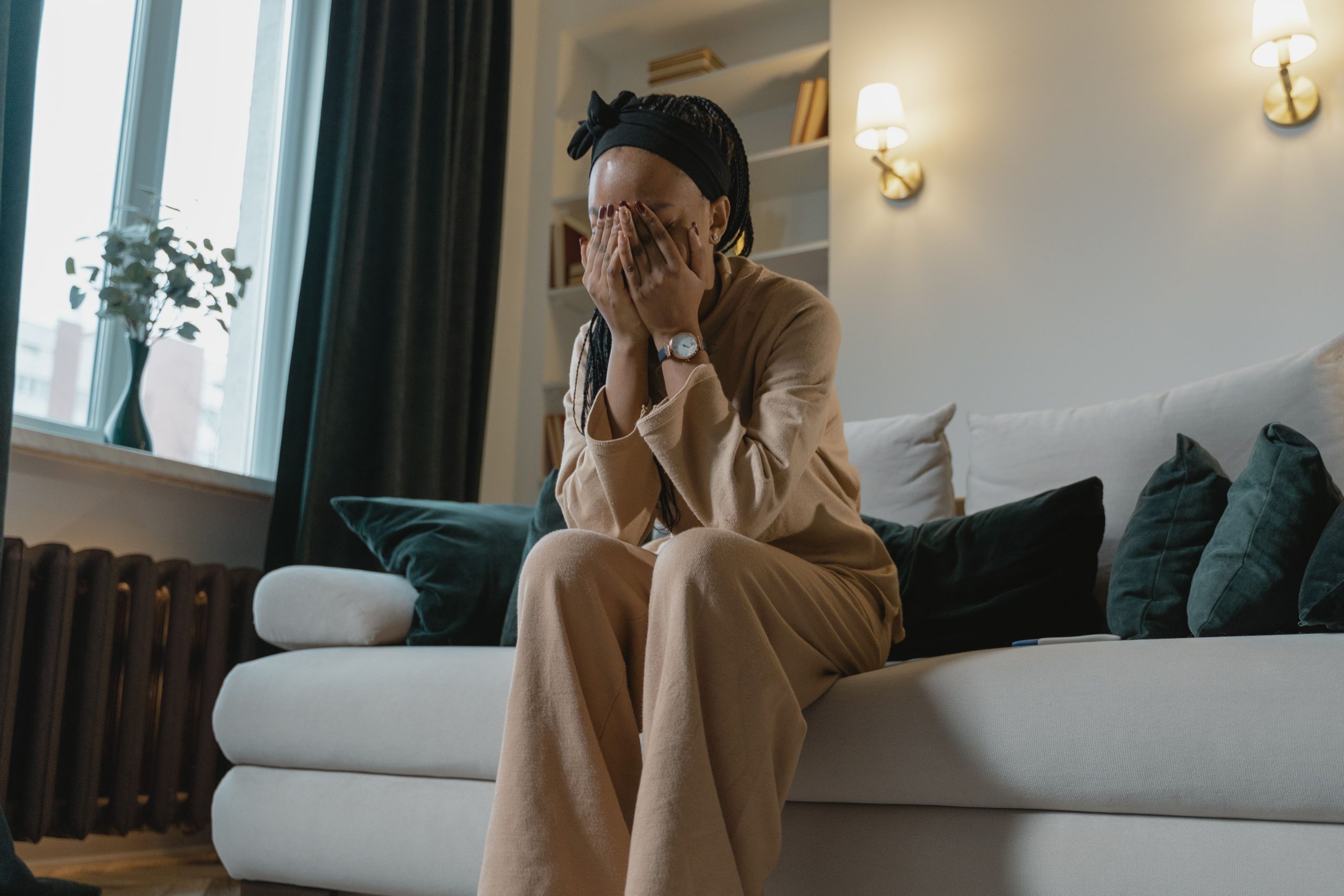
You notice a shorter reply and wonder if they are losing interest. You feel a quiet evening and assume emotional distance is beginning. Even the good moments can make you nervous, because part of you is already waiting for them to end.
Here is the truth: sometimes relationship anxiety is not a warning that love is disappearing. Sometimes it is a sign that your mind does not yet feel safe enough to trust what is going well.
Your Mind Is Looking for What Might Go Wrong
When you have been disappointed before, calm can feel unfamiliar. You may have learned that closeness can disappear without warning, promises can change, or affection can be followed by distance.
So your mind starts searching for clues. A different tone. A delayed message. A night when your partner seems tired. Small changes begin to feel like evidence, even when they have ordinary explanations.
You think you are protecting yourself by staying alert. But constant alertness does not create safety. It keeps you emotionally prepared for a breakup that may not be happening.
Peace Can Feel Suspicious When You Are Used to Uncertainty
Some people become so familiar with emotional highs and lows that a stable relationship feels strangely empty. There is no chasing. No guessing game. No dramatic reunion after another painful argument.
At first, that calm may feel like boredom or distance. But stability is not the absence of love. Often, it is what love looks like when nobody is trying to make the other person prove it every day.
A healthy relationship will not always feel intense. Some days will be exciting. Other days will be ordinary. Learning to feel safe in those ordinary moments is part of building something that can last.
You May Be Treating Feelings Like Facts
Anxiety is persuasive. It can turn “I feel afraid” into “something bad is definitely happening.”
But a feeling is not always proof. Feeling unwanted does not automatically mean your partner has stopped wanting you. Feeling uncertain does not mean the relationship is unstable. Feeling afraid of being abandoned does not mean abandonment is around the corner.
Before reacting, separate what you know from what you fear. Ask yourself: What actually happened? What story did I add to it? Is there a consistent pattern, or am I building a conclusion from one small moment?
This does not mean ignoring real problems. It means giving reality a chance to speak before anxiety speaks for it.
Stop Testing the Relationship
When people feel insecure, they sometimes create tests without realizing it. They become distant to see if their partner notices. They wait longer to reply. They ask the same question in different ways, hoping for a more reassuring answer.
The goal is reassurance. The result is often confusion.
Your partner cannot pass a test they do not know they are taking. And even if they respond exactly as you hoped, the relief may last only until the next doubt appears.
Ask directly for what you need. Honesty creates connection. Tests create pressure.

Say What Is Happening Without Making an Accusation
You do not need to hide your anxiety to appear easygoing. You also do not need to make your partner responsible for eliminating every uncomfortable feeling.
Try saying, “I have noticed that I get anxious when communication changes, even when I know there may be a simple reason. I am working on it, but I wanted to be honest with you.”
That sounds very different from, “You clearly do not care about me anymore.” One statement opens a conversation. The other demands that your partner defend themselves against a conclusion you have already made.
Healthy communication is not about finding the perfect words. It is about telling the truth without turning fear into blame.
Build Safety Outside the Relationship Too
If your entire sense of stability depends on how quickly your partner replies or how affectionate they seem today, every small change will feel enormous.
Keep parts of your life that belong to you. Maintain friendships. Make plans that do not depend on your partner. Continue developing interests, routines, and goals that remind you who you are outside the relationship.
Independence does not weaken love. It reduces the pressure on love to carry your entire emotional world.
The more grounded you feel in your own life, the less likely you are to treat every quiet moment as an emergency.
Look for Patterns, Not Perfect Reassurance
No partner can reassure you perfectly every day. People get tired. They become distracted. They sometimes communicate poorly. A healthy relationship still contains imperfect moments.
Instead of asking whether every interaction felt good, look at the larger pattern. Does your partner generally follow through? Do they listen when something matters? Can you repair misunderstandings together? Do their actions make you feel respected over time?
Patterns tell you more than one delayed message ever will.
And if the pattern does show dishonesty, dismissal, or repeated emotional withdrawal, you can address that reality directly. You do not need anxiety to invent a problem, and you do not need positivity to hide a real one.
Let Good Things Be Good
You may not be able to silence relationship anxiety in one conversation. But you can stop obeying every fearful thought it produces.
Pause before reacting. Name what you are afraid of. Check the facts. Speak honestly. Then allow your partner’s consistent behavior—not your worst-case scenario—to show you what is real.
The goal is not to guarantee that you will never be hurt. No relationship can offer that guarantee. The goal is to trust yourself enough to enjoy love without constantly preparing for its disappearance.
Sometimes nothing is wrong. Sometimes the hardest part is allowing yourself to believe it.
Have you ever felt anxious in a relationship even when everything seemed fine? What helped you feel more secure? Share your experience in the comments.