Table of Contents
Introduction: Amsterdam—Where Charm, Culture, and Creativity Converge
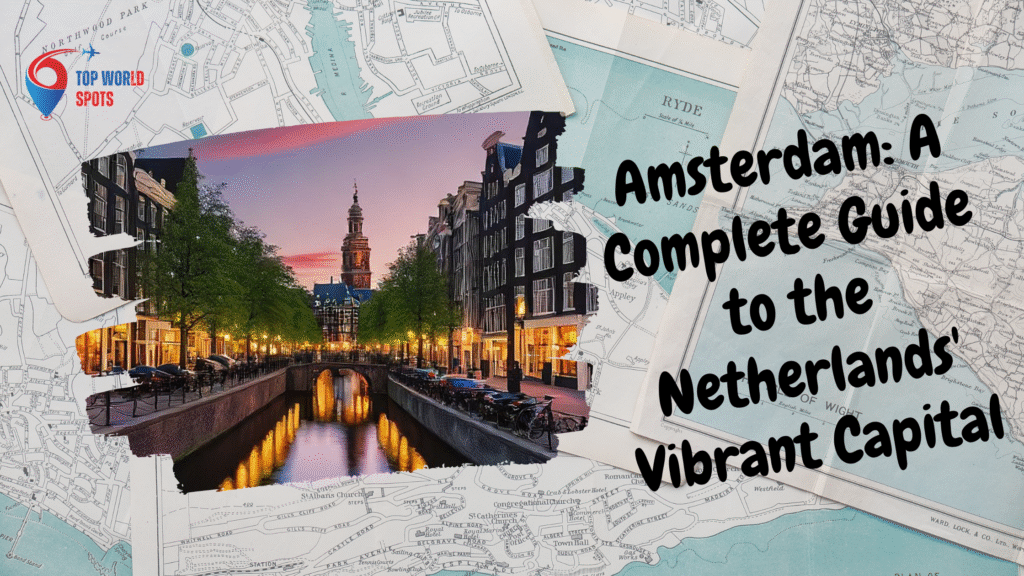
When tourists think about Amsterdam, the obvious thoughts that emerge are little canals, bikes, and smoke-filled coffee rooms. Nevertheless, the Dutch capital is much more than certain stereotypes of a tourist. Amsterdam is a city of a combination of history and art, and progressive thinking. It is a vibrant tourist and business hub, which has been able to reinvent itself in the last few centuries.
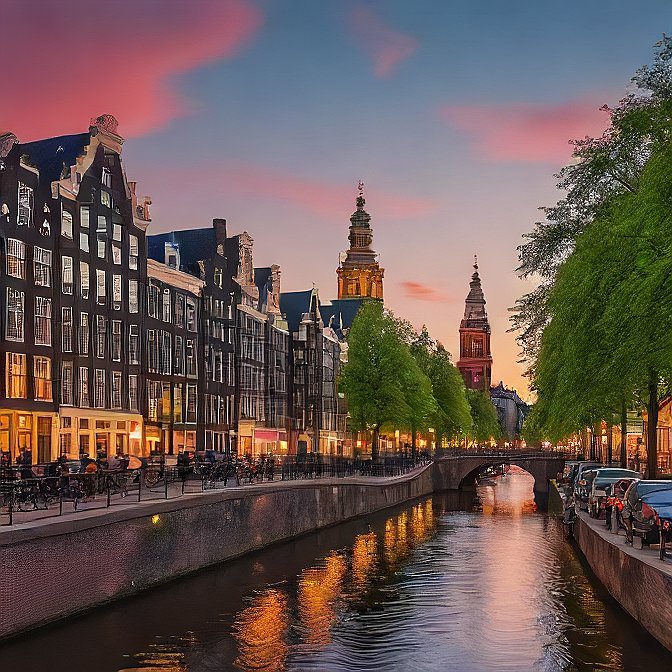
Amsterdam has always been the metaphor of commerce, tolerance, and innovativeness, which relies on its Golden Age of the 17th century. It gave the world Rembrandt, Van Gogh, and Spinoza, and now, even nowadays, it continues in such a style by the newest design, innovation, and wonderful startup atmosphere. It features numerous historic canal housing and award-winning sustainable buildings in its streets.
You might become interested in its museums, which are among the best worldwide, its food culture, which is rich in terms of tastes, or its progressive social attitudes, but Amsterdam is a place where old world attractiveness meets as well as the innovativeness of a high-tech small city. This is your guide to not just the typical tourist hotlist but also the real capital of the Netherlands: vibrant, tough, and endlessly inspiring.
A Snapshot of Amsterdam’s Rich History
The history of Amsterdam is spun in its bricks and bridges. Since it had started its history as a 12th-century fishing village located on the banks of the Amstel River, the city of Amsterdam had become one of the richest and most powerful cities on the planet by the end of the 16th century. The Netherlands during this period was experiencing an increase in global trading companies as well as a radical urban planning development and an efflorescence of arts.
Being home to liberal thought and freedom of expression, Amsterdam turned out to be the destination of philosophers, scientists, and artists as well. It was here that Rembrandt created his pictures, that Spinoza thought, and that traders commoditized as well as ideas.
The open-minded spirit at hand and the resistance of Amsterdam to shake it off is also evident in its history today: the gabled canal houses, the warehouses, and centuries-old warehouses and the centuries-old courtyards spread throughout the city.
Iconic Attractions: Must-See Landmarks in Amsterdam
In the event that you are visiting Amsterdam for the first time, some of the best attractions and some historic sites(scenery) you are bound to find in Amsterdam are out.
- Rijksmuseum: Museum of masters, Vermeer, Rembrandt, as well as Dutch golden period masters.
- Anne Frank House: A very emotional museum located within the secret annex where Anne wrote the diary.
- Van Gogh Museum: The biggest publicly owned Van Gogh holding in the world, which charts the sentimental and artistic progression of Van Gogh.
- Dam square: which is the historical centre of the city and is located between the royal palace and a street performers and shop area.
- Amsterdam Canal Belt (Grachtengordel): a world heritage site by UNESCO; a glimpse of the amazing planning of the city that it had created in the 17th century.
Each of these places demonstrates one of three layers of Amsterdam identity, such as art brilliance, history of storm and tumble, and cultural memory.
Exploring Amsterdam’s Unique Neighborhoods
The real spirit of Amsterdam is not only within the museums; it is within the particular neighborhoods with a varied rhythm in each distinctive part of the city.
- Jordaan: Once the proletariat, now a creative centre of artwork and loads of galleries, indie stores, and tranquil canals. Perfect location for art lovers and cafes.
- De Pijp: Young, multicultural, and colorful- home of the renowned Albert Cuyp Market and the most delicious restaurants of the city.
- Centrum: The old center, good when you come to Vilnius for the first time, as it is close to most sights, but you will have to share it with thousands of other people.
- Oud-West: a laidback, cool neighbourhood of leafy streets, concept shops and proximity to Vondelpark.
Regardless of what you seek and why you travel to Amsterdam, whether you are looking for the best strokewafel stall or a design-oriented hotel, the best places to stroll in Amsterdam, or you would like to find a bench and heavy reading, the best neighbourhoods to visit in Amsterdam have it all.
Check Out: Athens: The Unbreakable Spirit Behind Greece’s Enduring Glory
Amsterdam by Water: Canals, Ferries, and Hidden Courtyards
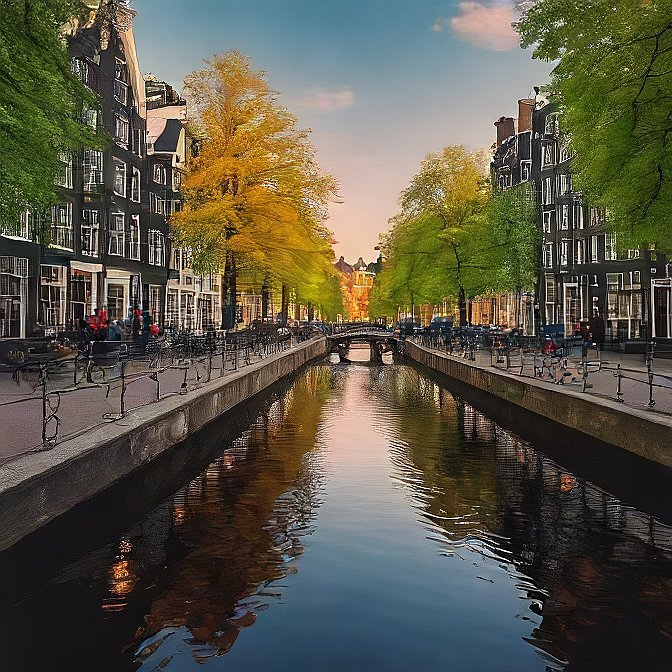
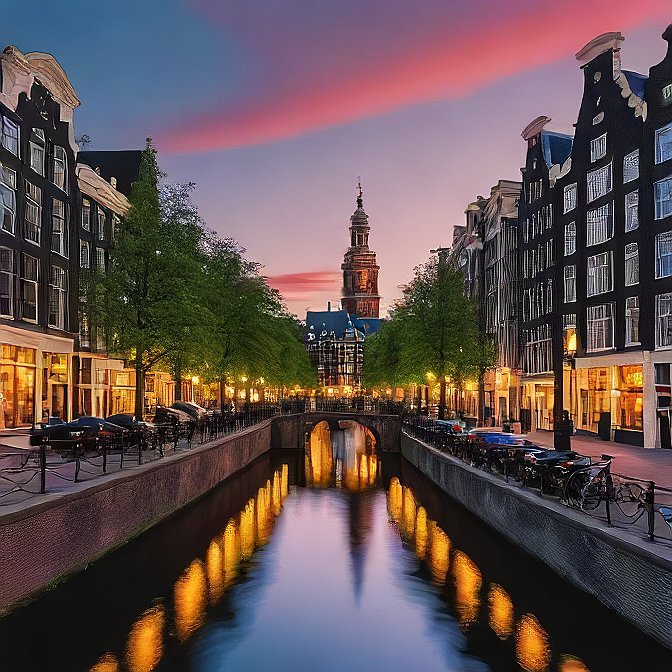
Amsterdam does not describe a city; it is chasing along alluvial canals, Amsterdam is a canal city. The canal network, which was constructed in the 1600s, was one of the wonders which include the time taken and the easiest way to cruise and admire the beauty of the city in the present day.
- History and architecture: Do a canal tour.
- Rent your own electric boat or Do-It-Yourself kayaking.
- Ride a ferry across the IJ River to reach the new upsurging neighborhoods of Amsterdam, Amsterdam-Noord.
Locals are acquainted with the hofjes, usually simply in open water: silent, small courtyard gardens around ancient buildings and lesser-travelled canals which permit them to walk.
These special ways to admire the canals of Amsterdam give the travelers an opportunity to taste the peace and heritage among the unspoiled.
Arts, Culture, and Nightlife in Amsterdam
With centuries of artistic tradition as well as the most innovative contemporary creativity, Amsterdam shows a wide variety of options on the cultural scene.
The city is also a world center of arts, with everything displayed in the city, such as classical music in the Concertgebouw, modern art revealed at the Stedelijk Museum, and indie art presented in re-invented industrial warehouses. There are people who love design at the Dutch Design Week and fashion shows at De Hallen.
- Culture, however, does not stop here with daylight.
- The most popular electronic music is played in such legendary clubs as Paradiso, De School, and Shelter.
- It is possible to be entertained by jazz lovers in little jazz clubs like Bimhuis and even listen to late-night shows in a speakeasy-style cafe.
- Here, night owls will get the most adequate place to sleep: it can be underground techno, neighborhood pubs, cocktail, and rooftop bars.
Whatever your kind of cultural expression is, enjoy opera or all-night dance parties, the cultural life in Amsterdam never sleeps.
Where to Stay: Best Areas and Hotel Picks in Amsterdam
Where to stay in Amsterdam? There is also a broad range of accommodation in the city; you have cheap hostels, luxury canal-side suites, as well as boutique hotels.
Central vs. Local:
- Centrum (City Center): close to the major sights of Dam Square and the Royal Palace. Awesome to visit as a first-time visitor- crowded and typically rather expensive.
- Jordaan: Peaceful, Bohemian, and near to the big museums- perfect choice for a couple or a single trip.
- De Pijp: Bustling, colourful, and full of restaurants- it is an ideal district to stay in if you have a young attitude and food interests.
- Amsterdam-Noord: On the other side of the river on a ferry; hip, inventive, and lots of cool industrial-chic hotels.
Hotel Picks by Type:
- Sole travellers: The Social Hub, Generator Amsterdam
- Families: Stayokay Vondelpark, Conscious hotel Westerpark
- Couples: Pulitzer Amsterdam, Hotel Estherea
- Luxury shopper: Waldorf Astoria Amsterdam, The Dylan
- Budget be’s: MEININGER Hotel, ClinkNOORD
Regardless of what you want to get out of traveling, Amsterdam has a variety of neighborhoods that will provide a particular atmosphere to stay in and make it your home.
Getting Around: Transport Tips for Amsterdam Visitors
Amsterdam is simple to move around in, and it is actually fun. Cycling or cruising your way through Amsterdam, there are some of the quintessential travel tips that should be helpful in traveling around:
Public Transport:
- Trams, buses, metros, and ferries have access with the OV-chipkaart or the GVB app.
- Trams can be used on short journeys in an inner city.
- Free ferries take people between Amsterdam Central and other neighborhoods on the other side of the river, including Noord.
Biking:
- Biking is the most natural experience of the city.
- You can rent one in a local shop or hotel; however, this time you have to obey the rules, ride in a bike lane, indicate, and always lock your bike.
- Not all streets friendly to pedestrians are bike-friendly; thus, be careful.
Walking:
- Amsterdam is not big- most of the sights lie within walking distance.
- With intersections, be careful: cyclists have priority.
And having several green alternatives, transportation in Amsterdam is an adventure on its own, and that makes it incredibly attractive.
Sustainable Travel in Amsterdam
Amsterdam is an ideal place to visit in case you are environmentally friendly. The city is a leader in green mobility, sustainable tourism, and eco-populations in Europe and sustainability.
Why It’s a Model for Eco-Travel:
- More than 60 percent of in-city movements are by cycle or journey by foot.
- Sustainable energy is used in public transport.
- By 2030, the city is set to be carbon neutral.
Sustainable Travel Tips:
- Ride a bike, better yet, walk instead of getting in a taxi cab or sitting in an Uber.
- Book your stay at a green hotel, for example, the Conscious Hotels or Zoku Amsterdam.
- Pick up local markets and shops such as Noordermarkt or the Farmer Market at Nieuwmarkt.
- Bring a bottled drinking vessel with you first, it is free and tidy tap drinking water in Amsterdam.
- Eat in restaurants that specialize in seasonal, vegetarian, and local cuisine.
These are pro-planet travel tips when traveling to Amsterdam so that you do not harm the beauty of the city, but can experience it in a meaningful way.
Conclusion: Amsterdam Welcomes Every Kind of Explorer
Amsterdam is not just pretty canals and cliches on the postcard, but also the art of the Golden Age and the greenest innovation in the world. The city is in a state of constant change- a combination of its past and present that embraces the future with its open attitude to welcoming, innovation, and pluralism.
Be it its famous museums, interest in visiting some less popular hofjes, or desire to have a cup of coffee by a quiet canal, Amsterdam has everything to offer each traveler, whether history buff, foodie, design, or nature-seeker.
For more info: Click Here.
FAQs About Amsterdam
Is Amsterdam dangerous to tourists?
General answer: Yes, Amsterdam is quite a safe city. It has a low crime rate, transport is good, and civic responsibility is high. There are pickpockets as usual in any big city, so watch your purse and simply clear all nightlife zones.
What is the best time to visit Amsterdam?
The ideal would be the Spring (April-May) and Early fall (September-October) season, consisting of good weather, fewer people, and sightseeing.
- The month of December is also magical, as there are Christmas markets and winter feels.
- Tulips are most popular in the month of April.
What is the duration of stay in Amsterdam?
3-4 days are perfect in order to have a good experience. This is sufficient time to see the main museums, as well as to enjoy the neighbourhoods, visit the canals, and even go on a brief day trip to such destinations as Zaanse Schans or Haarlem.