Table of Contents
Introduction
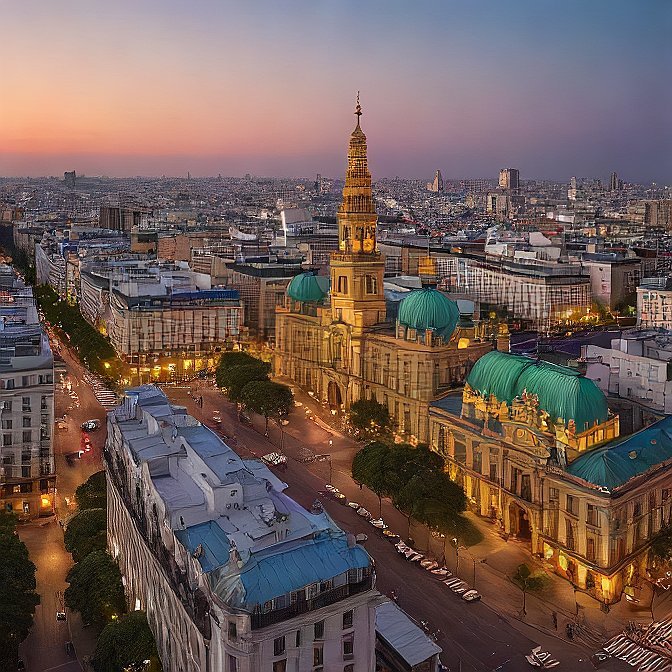
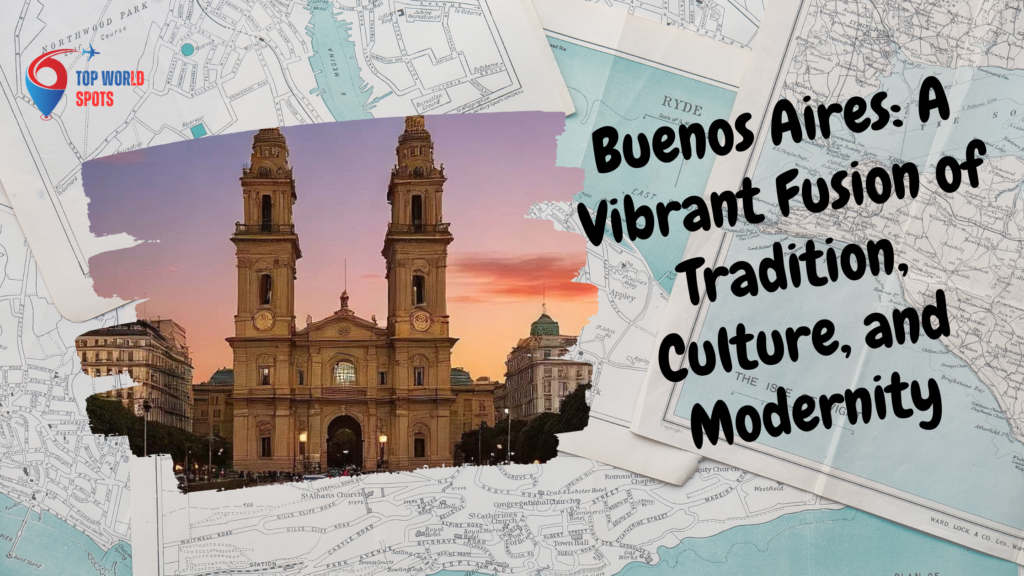
The history and society of Buenos Aires will give you a lively environment since the two forms of society did not conflict, both in Europe and Latin America. Buenos Aires is the cosmopolitan capital of South America, which is not only the main capital metropolis in the country, but it also attains the title of the Paris of South America. The sprawling boulevards, as well as the dazzling alleyways, make Buenos Aires an event that can only be experienced in your soul when you visit this place. There is a full-fledged directory of Buenos Aires, which will help a visitor to the globally renowned, dynamic city.
A City of Neighborhoods: Explore the Diverse Sectors
The city of Buenos Aires is a conglomeration of neighborhoods, and the personality of the city is expressed by the neighborhoods. Different neighborhoods of Buenos Aires possess some attractive qualities to everyone interested in history, art, food, and nightlife activities.
La Boca
La Boca neighborhood has become widely known in Buenos Aires because it features dynamic street art, original tango roots, and decorative houses. When visiting La Boca, you will find yourself surrounded by artwork because street buildings carry paintings of vibrant hues, and outdoor tango dancers show their dance routines. The shops and restaurants located in Caminito offer visitors authentic cultural items, while visitors can also browse through its art galleries.
Travelers should observe safety in La Boca since certain parts of this district have poor safety precautions. The lively nature of lifestyle, coupled with the artistic orientation of La Boca, remains the representative face of Buenos Aires, regardless of safety issues.
San Telmo
The historical prestige of San Telmo allows visitors to experience a bygone era of the city. San Telmo stands apart from other neighborhoods through its combination of narrow streets paved with cobblestones together with antique stores and traditional tango presentations that happen in the plazas. The neighborhood presents a laid-back culture through its neighborhood markets that display handcrafted items along with old-fashioned collectibles. Las Galerias Shopping Center brings tourists to taste local goods while they discover Buenos Aires’ historic past.
Palermo
Visitors can find the contemporary part of Buenos Aires within the Palermo district. Visitors choose this place because it brings together trendy cafes alongside modern art galleries and active evening activities. The Japanese Garden maintains a partnership with the Bosques de Palermo while standing out as one of the defining features of Palermo as a distinguished urban area. People are attracted to Palermo because the area offers both park relaxation and top dining options throughout the city at the same time.
Recoleta
Those people interested in urban sophistication are advised to live in the residential section of Recoleta. The classiness of Buenos Aires city is revealed as one traverses through the streets of Recoleta with its beautiful tree designs alongside the classy shops and fine building structure design. One of the most famous areas is called the Recoleta cemetery, where Eva Peron, the much-loved first lady of Argentina, is in eternal rest. It is not possible to study the history of the development of Buenos Aires without visiting Recoleta cemetery since the visitor will get to view impressive mausoleums and at the same time admire beautiful sculptures.
Check Out: Brasília: A Bold Masterpiece of Modernism and Brazil’s Political Heart.
Iconic Landmarks You Can’t-Miss There
The landmarks of Buenos Aires convey the history of Argentina since its founding through their existence. The city’s diverse historical landmarks showcase the cultural progress of Buenos Aires through its mixture of ancient colonial and contemporary tower structures.
Plaza de Mayo
The historic buildings inside Buenos Aires center on the Plaza de Mayo because this location includes the Pink House presidential palace along with other essential architectural features that surround it. The political life of Argentina developed at this plaza until the Madres de Plaza de Mayo initiated their Friday demonstrations when the dictatorship held power. The monument operates as Argentina’s national symbol to present the existing fight for justice in the country.
Teatro Colón
There is no one thing to miss when the person visits Buenos Aires, and it is the sightseeing aboard the Teatro Colon in its glamour. Since its first performance in 1908, Teatro Colon is recognized internationally acknowledgment due to the perfectability of acoustics and impressive building architecture. Everything is subject to the fact that everybody who decides to visit the cultural events in Teatro Colon or even employs the guided tour can have a memorable cultural experience in everywhere surroundings of the establishment.
Obelisco
It is the main national icon of Buenos Aires and was erected at the place of the Obelisco in the very center of the city. The Obelisco was constructed in 1936 as a homage to the anniversary of the city due to its location over the widest street in the world, Avenida 9 de Julio. The monument is an embodiment of the city since it serves as a symbol that commemorates national incidents and also victories in sports.
Caminito
Buenos Aires considers Caminito to be an animated representation of its cultural legacy, which extends beyond street status. The origin of tango exists at this vibrant La Boca location that stands in the alley’s center. This area now features lively street performances together with various restaurants serving authentic Argentine food among its vibrant wall paintings and artwork. Visitors must experience the energetic environment and passionate tango spirit of Caminito while they stay in Buenos Aires.
Savoring Buenos Aires: A Culinary Adventure
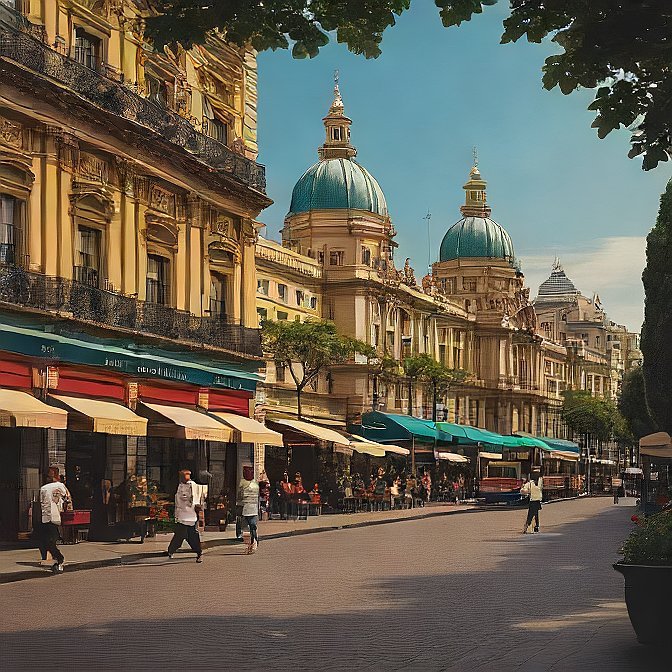
Buenos Aires presents Argentine food in its traditional features derived from agricultural culture, and at the same time expresses links with Italy and profound food-based feelings. The entire food-related experience in the city of Buenos Aires makes me yearn to enjoy its food delicacies such as barbecues, desserts, and many more.
Traditional Argentine Cuisine
The excellence of Argentinian food is well recognized in other parts of the world, particularly in meat production. An explanation of the culinary culture of the region is its classic barbeque, which is Asado; so when a traveler is visiting the city, he or she must attend it. Parrillas are the meat restaurants that are established everywhere in Buenos Aires to provide impeccable local beef. It is a combination of snacks and pastry which makes empanada one of the popular snacks adored by locals because it is meat and cheese, or vegetables, depending on the mixture.
Dulce de Leche
The most renowned delicacy in Argentina is Dulce de leche, considering the consumption of this type of sweetened caramel sauce in many desserts, accompanied by ice cream and other cakes. Dulce de Leche is the ingredient of all the favorite Argentine desserts, including the simple-looking alfajores (cookies sandwiched with sweet caramel).
Café Culture
Cafes in Buenos Aires are a form of cultural reality that was established in the nineteenth century. The use of cafes in the city can offer a lot more than making coffee since they play a crucial role in the social structure of Buenos Aires. The old but traditional Café Torton and other traditional cafes, give the visitor an impression of the past generations of the city of Buenos Aires, where artists, writers, and thinkers used to spend time. These cafes are inhabited by the native people of Buenos Aires and the visitors, and this supports them in their traditional meeting purposes.
Best Restaurants & Eateries
Face restaurants and high-end restaurants collectively form a complete dining array throughout Buenos Aires. Don Julio and La Cabrera stand as Buenos Aires’ renowned steakhouses that serve outstanding pieces of beef to their guests during elegant fine dining events. Italian fans of pasta meals frequent La Parolaccia since the restaurant serves traditional Italian dishes that locals love. Tegui serves as a modern dining destination for Argentine food with its distinctive modern menu that has received various awards.
Tango: The Soul of Buenos Aires
Buenos Aires has been almost inseparable from the dance form known as Tango. This fervent dance has been incubated in the working hours of Buenos Aires, and it appeared at the end of the 19th century, later becoming a symbol of the essence of the national culture of Argentina.
The Birthplace of Tango
Tango emerges as a cultural expression that displays the fundamental characteristics of Buenos Aires that stem from its historic origins. One can discover the first tango performance sites located in La Boca because this district maintains its essential role in tango’s Buenos Aires history. The emergence of Tango occurred through the combination of European, African, and indigenous dance traditions to establish an Argentine dance form.
Tango Shows and Classes
Visiting Buenos Aires, one has to attend at least one of the tango shows. Tourists and citizens can observe some live tango performances in many pavilions in Buenos Aires, like El Querand and La Ventana buildings. Such erotic performances have historical and sentimental qualities of tango in the form of traditional musical functions, where performers dress in fancy outfits.
Buenos Aires provides residents with numerous opportunities to learn tango at various instruction centers scattered throughout the city. Learning tango from its source brings a unique benefit to dancers who are novices as well as those who have more practice under their belts.
Milongas
The real tango experience becomes available to visitors when they attend a traditional tango dance afternoon. Residents gather at tango dance halls to dance in an informal setting that lacks the formality of big shows. The various locations around Buenos Aires host milongas, which present authentic experiences of tango culture to attendees.
Buenos Aires for Art and History Lovers
Buenos Aires: the capital city of Argentina, is a city full of a marvelous variety of works of art and collection, but its old places can be visited thanks to the 30 museums, monuments, and centers of historical facts, not forgetting the 50 or so art galleries, which make the enjoyment and discovery by the inhabitants of the city.
Museo Nacional de Bellas Artes
Among the best attractions that cannot be overlooked by any art lover in Buenos Aires, is expected to mention Museo Nacional de Bellas Artes. The facility also possesses numerous European and Argentine artworks, consisting of worldwide-renowned artists such as Rembrandt, Goya, and Van Gogh. The collection of the museum is presented by the essential masterpieces of the Mexican and Argentine artists, and in this way, the visitors can feel themselves aware of the development of art in Argentina.
MALBA (Museo de Arte Latinoamericano de Buenos Aires)
The MALBA is another critical art institution, which is focused on the presentation of modern Latin American art. The museum will display Frida Kahlo along with Diego Rivera and contemporary Argentine painters as a vital part of the museum collection. The contemporary art lover must be obliged to visit MALBA.
Museo Evita
The Museo Evita demonstrates the experience of Eva Peron to make one of the most valuable figures in Argentina through her biography. The personal history of Evita can be experienced by the visitor in her old house in the form of a series of photographs and her things, along with historical presentations. All those who are curious to know more about Argentine history must ensure that this is their priority.
Outdoor Fun in Buenos Aires: Green Spaces and Recreation
The landscape of Buenos Aires extends beyond its crowded streets because it provides accessible green areas that serve multiple purposes of recreation and serenity.
Bosques de Palermo
The park Bosques de Palermo is also considered one of the biggest public parks, which is situated within the city of Buenos Aires and guarantees the residents of the city some relief against the city’s madness. Due to many gardens, there is the provision of calm afternoons to people in this region, coupled with lakes and walkways.
Reserva Ecológica Costanera Sur
Reserva Ecológica Costanera Sur is an ecological reserve situated close to the Río de la Plata that conserves natural resources as well as cityscapes. The facility allows natural experiences to the visitor, resulting in birdwatching, walking, and cycling activities, and urban convenience.
Buenos Aires’ Parks and Plazas
Buenos Aires contains various parks and plazas besides Palermo and Costanera Sur. Within the central city area is the Plaza San Martín, which creates a refined green park that faces historical buildings all around. People can find relaxation at Plaza Francia because inhabitants use this spot to connect with nature through outdoor activities and artisan market visits.
Navigating Buenos Aires: Transportation Tips and Travel Advice
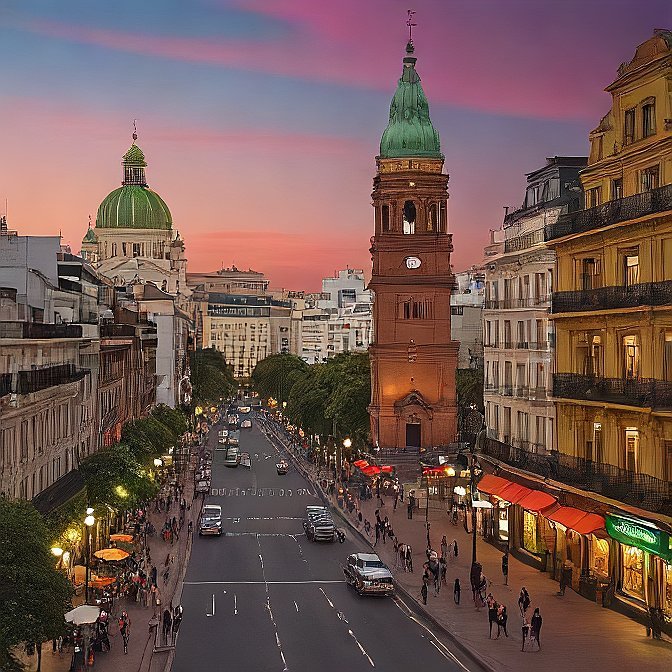
It is easy to travel around Buenos Aires since the city has a proper transport system, and there are sections where you can walk.
Getting Around
They have the Subte (subway), which can be used by travelers as they are able to get fast mobility between major districts, having different lines. There are enough cabs available in the city, but it is advisable that to stay safe, the passengers use the service of reputable cabs or the famous Uber application. There is a plentiful bike-sharing system supplied by Buenos Aires that can be utilized by cyclists.
Safety Tips
Citizens can visit Buenos Aires safely, but they must act with care, mostly in the crowded attractions and the main tourist sites. Do not leave your valuables in the street areas since the safety of your items is the main thing you should care about.
Best Time to Visit
The best time to travel to the city of Buenos Aires is from October to December of the year which is spring, and in the sale of the year, connecting to March to May, during autumn. December to February is warm in Buenos Aires, and the months between June and August are cold. Each of the seasons has its own pleasant experience.
Conclusion
Every international visitor will discover something to enjoy when visiting Buenos Aires. All members of the public can find satisfying entertainment within Buenos Aires through its extensive spectrum of educational and recreational facilities. The Argentine capital has a way of entrapping visitors while securing their permanent devotion. Plan your travel dates to Buenos Aires since this Argentine capital will guide you through its enthusiastic spirit, energetic environment, and cheery welcoming character.
For more info: Click Here.
FAQs
What is the best time to visit Buenos Aires?
Buenos Aires shows its best side during both October to December of the spring season and March to May of the autumn season due to its desirable weather system.
So, just how safe is Buenos Aires to tourists?
Buenos Aires offers regular security conditions to visitors, but says that tourists should be aware of what is happening around them and avoid potentially dangerous locations at night.
Do I have to know Spanish in order to visit Buenos Aires?
Mastering simple Spanish will assist the tourists in Buenos Aires because the population does not speak a lot of English, especially in disadvantaged neighborhoods.