
People have been trying to define love for thousands of years.
Poets write about it. Philosophers debate it. Scientists study it. Movies romanticize it. Songs celebrate it and mourn it. We all feel it, chase it, lose it, find it, and still — when someone asks us to explain what it actually is, we stumble.
Is it a feeling? A choice? A biological drive? A social construct? Is it the thing that makes life worth living, or the thing that makes life unbearable?
I’ve heard a lot of definitions over the years. But there’s one that stuck with me. One that, when I heard it, made everything click into place.
The Definition That Changed Everything
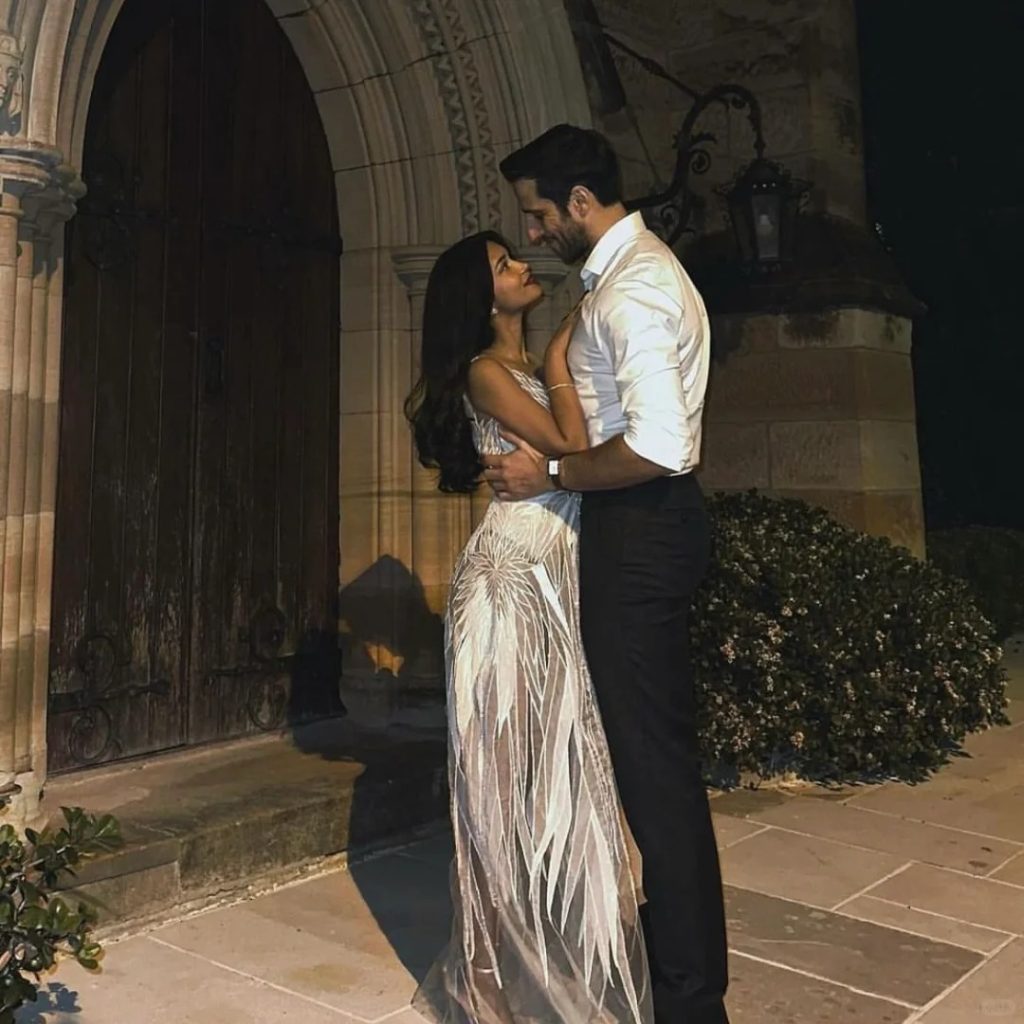
Here’s the answer:
“Love is choosing to stay when you could leave.”
That’s it. That’s the whole thing.
Not the butterflies. Not the chemistry. Not the passion or the romance or the feeling of being swept off your feet. Those things are nice. They’re the beginning. But they’re not love.
Love is what happens after the butterflies fade. It’s what remains when passion cools. It’s the decision, made again and again, to stay — even when staying is hard. Even when leaving would be easier. Even when you’re not sure if it’s worth it anymore.
Why This Definition Matters

Most people think love is a feeling. And feelings are fickle. They come and go. They rise and fall. They’re affected by hormones, by sleep, by stress, by whether you ate breakfast.
If love is a feeling, then love is unreliable. It can disappear without warning. It can be killed by a bad week or a harsh word. It leaves you at the mercy of chemistry and circumstance.
But if love is a choice? That’s something you can control. That’s something you can build. That’s something that gets stronger the more you practice it.
Love as a choice means love is an action, not a state. It means you don’t wait for the feeling to return before you act loving. You act loving, and the feeling follows. You choose to stay, and the bond deepens. You commit, and love grows.
What This Looks Like in Real Life

Choosing to stay doesn’t mean staying in a relationship that’s harmful or abusive. It doesn’t mean accepting mistreatment or sacrificing your wellbeing. Sometimes the most loving choice you can make is to leave — for yourself, or for the other person.
But in healthy relationships, choosing to stay means:
Staying when you’re angry, and working through the conflict instead of walking away. Staying when you’re bored, and finding new ways to connect instead of looking for excitement elsewhere. Staying when you’re tempted, and honoring your commitment instead of chasing novelty. Staying when you’re uncertain, and choosing to trust instead of running.
It’s not glamorous. It’s not movie-worthy. But it’s real. And it’s what makes love last.
The Bottom Line

Love isn’t a lightning bolt. It’s not fate. It’s not something that happens to you while you passively stand by.
Love is a thousand small choices, made again and again, day after day, year after year. It’s choosing to stay when you could leave. Choosing to try when you could give up. Choosing to love when you could protect yourself.
That’s the best answer I’ve ever heard. And it’s the one that, when I really understood it, changed how I approach every relationship in my life.
Because if love is a choice, then I’m not waiting for the perfect person to sweep me off my feet. I’m looking for someone who will choose me — and who I will choose back — every single day.
And that? That’s something worth building.
What’s your definition of love? Have you experienced love as a choice? Share in the comments.